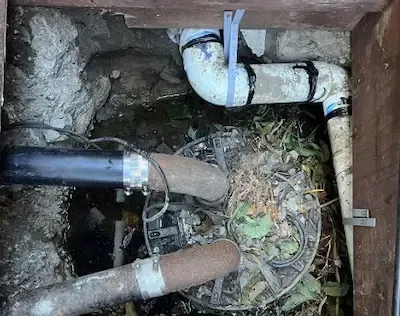
Bexley Arboretum Tree Root Sewer Intrusion Handbook
Bexley's reputation as Ohio's arboretum city creates unique challenges for your home's sewer system. The mature oak, maple, and ash trees that line Cassingham Road and define neighborhoods like Berwick Manor send aggressive root systems toward your clay sewer laterals, often installed decades before current tree preservation ordinances took effect. These roots don't simply grow near your pipes—they infiltrate joints, crack aging clay, and create blockages that can backup sewage into your basement within hours.
Understanding how tree roots interact with Bexley's aging infrastructure helps you recognize warning signs before emergency situations develop. Your sewer lateral, the pipe connecting your home to the city main under streets like Main Street or Broad Street, becomes increasingly vulnerable as both the trees and pipes mature together in this established community.
How Tree Roots Target Sewer Lines in Bexley
Tree roots grow toward moisture and nutrients, making your sewer line an irresistible target. In Bexley, where many homes were built between 1900 and 1960, original clay tile sewer laterals feature mortared joints that deteriorate over time. These joints create small gaps where roots initially enter, but once inside, they expand rapidly in the nutrient-rich environment.
The process accelerates during Bexley's wet springs and dry summers. Spring rains saturate soil around your foundation, encouraging root growth toward your sewer line. Summer drought then draws roots deeper toward consistent moisture sources, including minor leaks in your aging lateral. Species common in Bexley—particularly silver maples, Norway maples, and willow oaks—produce especially aggressive root systems that can travel 50 feet or more from the trunk.
Your sewer line's depth, typically 3-6 feet below ground in Bexley, places it directly in the active root zone. Unlike newer PVC installations with sealed joints, clay tile systems rely on mortared connections that become brittle over decades. Even small root intrusions can quickly escalate into major blockages or pipe collapse.
Modern Tree Root Intrusion Repair techniques can address these issues before they require complete lateral replacement, but early intervention remains crucial for protecting your investment.
Soil Conditions That Accelerate Root Intrusion
Bexley's clay-heavy soil retains moisture differently than sandy soils, creating conditions where roots remain active longer into fall and winter months. Clay soil also shifts with moisture changes, placing additional stress on rigid clay sewer pipes. This combination makes root intrusion more likely and more severe once it begins.
Areas near Alum Creek or in the Berwick Manor neighborhood, where soil conditions vary, may experience different patterns of root growth and pipe stress. Properties with poor drainage or low-lying areas face increased risk as roots seek out the consistent moisture your sewer line provides.
Warning Signs of Root Intrusion in Your Sewer System
Root intrusion develops gradually, but specific symptoms indicate when the problem requires professional attention. Slow drainage in multiple fixtures simultaneously suggests blockage in your main sewer line rather than individual drain problems. This becomes most noticeable when using water-intensive appliances like washing machines or dishwashers.
Gurgling sounds from toilets when you drain sinks or bathtubs indicate air displacement in your sewer line, often caused by partial root blockages. These sounds typically worsen over time as roots continue growing within the pipe. You might also notice sewage odors from floor drains in basements, particularly in older Bexley homes where clay laterals are most common.
Recurring clogs despite professional drain cleaning suggest roots are regrowth quickly after mechanical clearing. Tree roots cut by conventional snake equipment regenerate within months, creating cycles of clearing and re-blocking that indicate the underlying root intrusion hasn't been properly addressed.
Wet spots or unusually green grass patches in your yard, particularly in lines running from your house toward the street, can indicate sewer line leaks caused by root damage. These leaks create localized fertilization that promotes surface vegetation growth while allowing more roots to access your damaged pipe.
Seasonal Patterns in Root-Related Problems
Spring typically brings the first signs of root intrusion as increased water usage for gardens and lawns combines with active root growth. Fall leaf cleanups can also reveal yard symptoms that were hidden during summer months. Winter freeze-thaw cycles in central Ohio can worsen existing root damage, sometimes causing sudden pipe failures when roots have compromised pipe integrity.
Assessment and Diagnosis Methods
Professional sewer camera inspection provides definitive diagnosis of root intrusion extent and location. Modern cameras can identify root species, blockage severity, and pipe condition simultaneously, allowing targeted treatment approaches rather than excavation-based guesswork.
Camera inspection reveals whether roots have simply invaded joints or caused actual pipe collapse. This distinction determines whether hydro-jetting and root cutting will solve the problem or if pipe replacement becomes necessary. In Bexley's established neighborhoods, camera inspection also identifies other common issues like offset joints from soil settling or connections to abandoned cisterns.
Locating equipment pinpoints exactly where root masses exist within your sewer lateral, allowing focused treatment and excavation only where necessary. This precision becomes particularly important in Bexley, where mature landscaping and proximity to neighboring properties makes extensive excavation problematic.
Flow testing can determine if root intrusion has reduced your sewer line capacity enough to cause backup risks during heavy usage periods. This information helps prioritize repair urgency and plan for temporary usage restrictions if needed during treatment.
Documentation for Insurance and City Requirements
Comprehensive documentation of root intrusion helps with insurance claims and satisfies city requirements for sewer lateral maintenance. Bexley's building department may require permits for significant sewer work, and proper documentation streamlines the approval process.
Treatment Options for Root-Invaded Sewer Lines
Mechanical root cutting removes immediate blockages but addresses symptoms rather than causes. Professional-grade root cutting equipment can clear substantial root masses, restoring flow temporarily. However, cut roots typically regrow within 6-12 months, requiring repeated treatments unless combined with other approaches.
Chemical root treatment using copper sulfate or specialized foaming agents can slow root regrowth after mechanical cutting. These treatments work best as preventive maintenance rather than primary solutions for established root problems. Chemical treatments require careful application to avoid environmental impact, particularly important in Bexley where Alum Creek watershed protection applies.
Hydro-jetting combines high-pressure water with specialized nozzles to both cut roots and clean pipe walls thoroughly. This approach removes root fragments and buildup that mechanical cutting leaves behind, extending the time before regrowth becomes problematic. Hydro-jetting works best in pipes that retain structural integrity despite root invasion.
Pipe relining creates a new pipe within your existing sewer lateral without excavation. Modern epoxy-based lining materials can seal root entry points and provide decades of additional service life. Relining works particularly well for Bexley's clay laterals where the original pipe structure remains sound despite joint deterioration.
For comprehensive emergency guidance, reference our Bexley emergency plumbing overview which covers immediate response steps for sewer backups and system failures.
Combining Treatment Approaches
Effective root intrusion treatment often requires combining multiple approaches. Initial mechanical cutting reopens the line, followed by hydro-jetting to remove debris, then chemical treatment or relining to prevent rapid regrowth. This comprehensive approach addresses both immediate blockage and long-term prevention.
Prevention Strategies for Long-Term Protection
Root barriers installed between aggressive trees and your sewer lateral can redirect root growth away from vulnerable pipes. Physical barriers work best when installed before root intrusion begins, but can also protect repaired lines from re-invasion. In Bexley's mature neighborhoods, barrier installation requires careful planning around existing landscaping and utility locations.
Regular professional cleaning every 18-24 months can prevent minor root intrusions from developing into major blockages. Preventive cleaning costs significantly less than emergency repairs and helps identify developing problems before they cause system failures.
Strategic tree management, including selective removal of problematic species near sewer lines, provides long-term protection. However, Bexley's tree preservation ordinances require permits for removing healthy trees, making professional consultation necessary for tree-related prevention strategies.
Sewer lateral replacement with modern PVC pipe and sealed joints provides the most comprehensive long-term solution. While more expensive initially, PVC laterals resist root intrusion for decades and comply with current city standards for new construction.
Working Within Bexley's Environmental Requirements
Prevention strategies must consider Bexley's environmental protection requirements, particularly regarding tree preservation and watershed protection. Professional consultation ensures prevention measures comply with local ordinances while effectively protecting your sewer system.
Emergency Response for Root-Caused Backups
Sewage backups from root blockages require immediate action to prevent health hazards and property damage. Stop using all water fixtures immediately to prevent additional sewage from entering your home. Locate your main water shutoff and be prepared to close it if backup conditions worsen.
Contact professional help immediately rather than attempting DIY solutions. Root blockages often require specialized equipment and techniques that household tools cannot address. Amateur attempts can worsen blockages or damage pipes, increasing eventual repair costs.
Document the situation with photos before cleanup begins, as insurance coverage may apply to sewage backup damage. Keep receipts for emergency services and temporary housing if backup conditions make your home uninhabitable.
Avoid contact with sewage water and use protective equipment if cleanup becomes necessary before professional help arrives. Sewage contains dangerous bacteria and pathogens that require proper handling and disinfection procedures.
Insurance and Liability Considerations
Review your homeowner's insurance policy regarding sewage backup coverage, as this protection requires separate endorsement in most policies. Understanding your coverage helps make informed decisions during emergency situations and ensures proper documentation for claims.
Working with Bexley City Services and Permits
Bexley's building department requires permits for significant sewer work, including lateral replacement or major repairs involving excavation. Permit requirements protect both your property and city infrastructure, ensuring work meets current codes and standards.
City utility location services must mark underground utilities before any excavation work begins. This free service prevents damage to gas, electric, or communication lines that often share utility easements with sewer laterals. Ohio law requires utility location for any excavation deeper than 16 inches.
Street opening permits become necessary if root intrusion repair requires accessing your lateral connection under city streets. These permits involve additional requirements and fees, but ensure proper restoration of street surfaces after repair completion.
Working with established local contractors familiar with Bexley's requirements streamlines the permit and inspection process. Local contractors understand city preferences and can navigate approval processes more efficiently than unfamiliar companies.
Cost Considerations and Planning
Root intrusion repair costs vary significantly based on severity, location, and treatment approach. Simple mechanical cutting might cost a few hundred dollars but requires repeated treatments. Comprehensive solutions like pipe relining or replacement involve higher upfront costs but provide longer-term value.
Consider total lifecycle costs when evaluating treatment options. Repeated mechanical cleaning over several years often exceeds the cost of permanent solutions like relining or replacement. Factor in the inconvenience and potential emergency service costs of recurring problems.
Insurance coverage varies significantly for root intrusion problems. Some policies cover sudden failures but exclude gradual deterioration. Understanding your coverage helps budget appropriately and choose treatment approaches that maximize potential insurance benefits.
Emergency repairs typically cost significantly more than planned maintenance. Developing a relationship with qualified professionals and addressing problems before they become emergencies provides both cost savings and peace of mind.
Financing Options for Major Repairs
Major sewer repairs like lateral replacement represent significant investments. Many contractors offer financing options, and some municipalities provide low-interest loans for essential infrastructure improvements. Research available options before emergency situations limit your choices.
