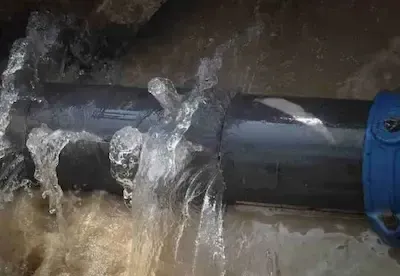
Bexley OH Burst Pipe Emergency Response Field Handbook
When a pipe bursts in your Bexley home, every second counts toward preventing extensive water damage and costly repairs. Understanding the immediate response steps and knowing what causes these emergencies in our community's older housing stock can mean the difference between a manageable repair and a devastating flood. Most Bexley residents face burst pipe situations during winter freeze-thaw cycles or when aging galvanized pipes finally give way after decades of service in our pre-war neighborhoods.
Immediate Emergency Response Steps
Your first priority during any burst pipe emergency is stopping the water flow to minimize damage. Locate your main water shutoff valve, typically found near where the water line enters your home or at the street-side water meter. Turn the valve clockwise until it stops completely. If you cannot locate or operate the main shutoff, call the City of Bexley utilities department immediately at their emergency line.
After shutting off the water supply, turn off electricity to any affected areas where water might contact electrical outlets, fixtures, or appliances. Water and electricity create deadly combinations, so prioritize safety over property concerns. Move furniture, electronics, and valuable items away from the flooding area if you can do so safely.
Document the damage immediately with photos and videos for insurance purposes. Take pictures of the burst pipe location, water damage extent, and any affected belongings before beginning cleanup efforts. Contact your insurance company as soon as possible to report the claim and understand your coverage limitations.
Begin water removal using mops, towels, buckets, or a wet vacuum if available. The faster you remove standing water, the less likely you are to experience mold growth, wood rot, or structural damage. Open windows and doors to promote air circulation and accelerate drying.
Common Burst Pipe Locations in Bexley Homes
Basement water lines represent the most vulnerable area in typical Bexley homes, especially those built between 1920 and 1950. These older properties often feature galvanized steel pipes that corrode from the inside out, creating weak points that eventually rupture under normal water pressure. The combination of age and our area's mineral-rich water accelerates this deterioration process.
Exterior wall plumbing faces significant risk during Ohio's harsh winter conditions. Pipes running along exterior walls in uninsulated or poorly insulated areas freeze when temperatures drop below freezing for extended periods. As water freezes and expands, it creates pressure that splits pipes along their weakest seams.
Crawl space and attic plumbing lines experience temperature fluctuations that cause expansion and contraction cycles throughout the year. These repeated stress cycles weaken pipe joints and connections over time, eventually leading to failures during peak usage periods or pressure surges.
Underground service lines between the street and your home foundation can burst due to ground shifting, tree root invasion, or simple age-related deterioration. These breaks often go undetected initially, causing water bills to spike before homeowners notice soggy yard areas or reduced water pressure.
Bexley-Specific Risk Factors
Bexley's mature tree canopy creates unique challenges for underground plumbing systems throughout our established neighborhoods. Large oak, maple, and elm trees develop extensive root systems that seek water sources, often infiltrating and damaging older clay sewer lines and water service connections. Properties along streets like Cassingham Road and East Broad Street face particular vulnerability due to their combination of large trees and aging infrastructure.
The community's housing stock predominantly dates from the early to mid-20th century, when galvanized steel pipes were standard installation. These pipes typically last 40-70 years before requiring replacement, meaning many Bexley homes are approaching or have exceeded their plumbing system's expected lifespan. Original galvanized lines in homes built during the 1920s development boom are now showing signs of significant deterioration.
Our area's clay soil composition contributes to ground shifting during freeze-thaw cycles, placing additional stress on underground plumbing connections. This soil movement can cause joints to separate or pipes to crack, particularly affecting older installations that lack modern flexible connections.
Water pressure variations throughout the Bexley system can stress older pipes beyond their design limits. Aging pipes that appear functional under normal conditions may fail catastrophically when pressure surges occur during system maintenance or high-demand periods.
Prevention and Early Warning Signs
Monitor your water pressure regularly for unexpected changes that might indicate developing problems in your plumbing system. Sudden pressure drops often signal leaks somewhere in the line, while pressure spikes can stress weak pipes to the breaking point. Install a water pressure gauge on an exterior hose connection to track these variations over time.
Watch for discolored water, particularly rusty or brown tinting that indicates internal pipe corrosion in galvanized lines. This discoloration typically worsens gradually as pipes deteriorate, providing advance warning of potential failures. Metallic tastes or mineral deposits around faucets also suggest aging pipe conditions that require professional evaluation.
Pay attention to unusual sounds in your plumbing system, including banging, rattling, or whistling noises when water runs. These sounds often indicate loose connections, pressure irregularities, or internal pipe damage that could lead to complete failures without timely repair.
Inspect your property regularly for signs of underground leaks, including soggy spots in the yard, unusual grass growth patterns, or areas where vegetation appears healthier than surrounding areas. Burst Pipe Repair professionals recommend checking these areas monthly, especially during spring when ground conditions make leaks more apparent.
Water Damage Mitigation Strategies
Establish drainage paths to direct water away from living spaces and toward floor drains, basement exits, or outdoor areas. Use towels, plastic sheeting, or temporary barriers to channel water flow and protect sensitive areas like hardwood floors, carpeting, or finished basement spaces.
Prioritize removing water from enclosed spaces where moisture can become trapped and promote mold growth. Basements, closets, and areas with limited ventilation require immediate attention to prevent long-term damage that extends far beyond the initial pipe failure.
Deploy fans, dehumidifiers, and heating systems strategically to accelerate drying processes in affected areas. Focus airflow on wet surfaces while maintaining adequate ventilation to prevent moisture buildup in unaffected spaces.
Remove wet insulation, drywall, or other porous materials that cannot be effectively dried within 48-72 hours. These materials often harbor moisture that promotes mold growth and structural deterioration even after surface areas appear dry.
Professional Assessment and Repair Considerations
Licensed plumbing professionals can identify the root cause of pipe failures and recommend comprehensive solutions that prevent recurring problems. Simple patch repairs on aging galvanized systems often represent temporary fixes that fail within months, making whole-system evaluation more cost-effective in the long run.
Modern replacement materials like copper, PEX, or CPVC offer superior longevity and performance compared to original galvanized installations in older Bexley homes. Professional assessment helps determine whether partial replacement or complete system upgrading provides better value for your specific situation.
Permit requirements for major plumbing work in Bexley ensure compliance with current building codes and safety standards. Professional contractors handle permit applications and inspection scheduling, ensuring your repairs meet all regulatory requirements and maintain your home's insurability.
Insurance coordination becomes crucial when burst pipe damage extends beyond simple plumbing repair to include structural damage, electrical work, or extensive restoration. Experienced contractors work directly with insurance adjusters to document damage scope and ensure appropriate coverage for all necessary repairs.
Long-Term System Protection
Consider installing whole-house water pressure regulators to protect aging plumbing systems from damaging pressure surges. These devices maintain consistent pressure throughout your home and significantly extend the life expectancy of older pipes and fixtures.
Implement freeze protection measures for vulnerable pipe locations, including pipe insulation, heat tape installation, and adequate ventilation in crawl spaces and basements. These preventive investments cost far less than emergency repairs and water damage restoration.
Schedule regular plumbing inspections with qualified professionals who understand the specific challenges facing Bexley's older housing stock. Annual assessments can identify developing problems before they become emergency situations, allowing for planned repairs during convenient timing.
Maintain relationships with trusted local service providers who understand your home's plumbing configuration and history. For comprehensive guidance on related emergency situations, consult our Bexley sewer backup overview for additional emergency preparedness information. Established service relationships ensure faster response times during actual emergencies and provide continuity of care for your plumbing system's ongoing maintenance needs.
