
Emergency Plumber in Berwick, OH
Post-War Housing and the Plumbing Profile It Left Behind
Properties in Berwick were developed primarily in the post-war decades — the late 1940s through the 1960s — in a construction pattern consistent with the east Columbus residential expansion of that period. The plumbing systems installed in those homes reflect the material standards of their era: galvanized steel supply lines that have been corroding from inside out for 60 to 70 years, cast iron drain stacks that accumulate restriction from mineral and grease deposits at a higher rate than modern PVC drainage systems, and clay sewer laterals running beneath streets and property easements that were installed at original construction. Berwick's proximity to Bexley creates a geographic situation where the tree canopy extending from Bexley's arboretum-designated landscape reaches into adjacent residential areas — and the root systems of mature trees do not respect municipal boundaries. Clay lateral infrastructure throughout east Columbus neighborhoods adjacent to Bexley carries a meaningfully elevated root intrusion risk precisely because the tree canopy serving as the source of those root systems extends well beyond the visible Bexley borders. Properties in Berwick with mature trees overhead and original clay laterals below should treat slow sewer drainage and backup events as probable root intrusion until camera inspection confirms otherwise. The galvanized supply inventory in post-war Berwick homes is at an advanced corrosion stage in properties that have not had supply lines assessed or replaced. Persistent low pressure, discolored first-run water, and isolated burst events at the weakest sections are the typical indicators — but the condition producing them has been developing for decades before the visible failure.
Why East Columbus Plumbing Emergencies Require Specific Preparation
Emergency plumbing response in Berwick requires a preparation profile matched to the post-war construction era that produced most of the area's residential housing stock. Homes built between the late 1940s and early 1970s present a consistent plumbing material profile — galvanized supply, cast iron drain, clay lateral — with an infrastructure age that places most systems in or past the window where original material performance begins to fail. Galvanized steel does not provide visible warning of interior corrosion severity in most cases. The exterior of the pipe may appear intact while the interior has been oxidizing for decades, narrowing the effective flow diameter and building toward the wall failure that produces the burst. When the split occurs, it does so in the most degraded section — but adjacent sections are typically at comparable or near-comparable corrosion stage. A response that repairs only the visible break and does not assess surrounding pipe condition creates the conditions for the next emergency within months. Cast iron drain calls in Berwick properties frequently involve system-wide accumulation that has been building since original installation. The full drain clearing approach — camera inspection to document the extent and character of the restriction before clearing, hydro-jetting to address the full interior diameter rather than just the center channel — produces results that last materially longer than mechanical-only intervention on cast iron systems with significant mineral and grease accumulation. Water heater failures in post-war mechanical rooms often involve units operating with corroded connections and sediment-loaded tanks in configurations that require specific site assessment before replacement staging.
Burst Pipe and Emergency Response for Post-War Berwick Homes
Burst pipe emergencies in Berwick properties reflect the aging galvanized supply systems that characterize post-war residential construction throughout east Columbus. Galvanized steel supply lines installed during the 1950s and 1960s corrode progressively from the inside outward — the failure mode is not sudden material defect but the end stage of a decades-long oxidation process that narrows the pipe interior and eventually produces a split at the weakest section under normal operating pressure. Properties in Berwick with unmodified galvanized supply systems are operating infrastructure at or past the outer threshold of designed service life, and the visible burst represents the highest-risk section in a system where adjacent sections are typically at the same corrosion stage. Carrying galvanized fittings, transition couplings, and the assessment protocol to evaluate surrounding pipe condition during a burst pipe call is what separates a repair that holds from a temporary intervention that sets up the next emergency. Drain and sewer backup events in Berwick properties are shaped by the cast iron and clay infrastructure combination common to post-war east Columbus construction. Cast iron drain lines accumulate mineral scale and grease at rates that modern PVC does not match, and original clay sewer laterals beneath Berwick's residential streets have been developing cracked joints through seasonal ground movement since original installation. The combination of internal cast iron accumulation and clay lateral crack formation creates the conditions for both drain backup and sewer root intrusion — and camera inspection before clearing work determines the character of the obstruction and the appropriate clearing method before any equipment is deployed.
Cast Iron and Clay Sewer Drain Service in East Columbus
Cast iron drain and clay sewer service in Berwick properties involves a system profile consistent with east Columbus post-war residential construction — cast iron main and branch drains inside the house connecting to clay sewer laterals running beneath the property and street to the main. Both components of this system are approaching or past the outer threshold of their designed performance window, and both are subject to failure modes that manifest as emergency calls. Cast iron drain lines accumulate restriction through mineral deposits, grease, and debris buildup on the interior surface over decades of household use. The restriction develops gradually and reaches critical severity when the interior diameter narrows enough to prevent normal flow from high-volume fixtures and appliances. A washing machine backing up into a utility sink, a toilet bubbling when water drains elsewhere, or multiple slow drains occurring simultaneously throughout the house are the indicators of main or branch drain restriction in cast iron systems. Hydro-jetting at high pressure clears the full pipe interior more effectively than mechanical augering because it removes accumulated wall deposit rather than just punching through the center of the obstruction. Clay sewer laterals in Berwick are subject to root intrusion from the mature trees present throughout the neighborhood — root systems extending from oaks, maples, and other established deciduous trees reach toward moisture in cracked clay pipe joints with a regularity that makes tree root intrusion the most common sewer failure pattern in neighborhoods of this age and canopy density. Camera inspection documents the intrusion extent and clay pipe condition before clearing, and trenchless lining following hydro-jetting prevents root re-entry without excavation.
Frozen Pipe Response and Cold-Season Preparedness in Berwick
Frozen pipe emergencies in Berwick properties follow the same pattern that affects post-war construction throughout central Ohio — supply lines running through original exterior wall cavities that were built without insulation in the plumbing sections. Mid-century construction standards did not require thermal insulation in all exterior wall sections, and the runs that supplied bathrooms added to original bedroom counts often passed through wall cavities that experience temperatures approaching or below freezing during sustained cold events. When ambient temperatures remain below freezing for several hours, uninsulated supply runs in exterior wall sections freeze from the outside inward, building pressure behind the ice blockage until the pipe splits at the weakest galvanized section when thawing begins. The split in a frozen-then-thawed galvanized line in Berwick does not occur at a structurally sound section — it occurs where the combination of freeze stress and existing corrosion has left the pipe wall at minimum thickness. Emergency response to a frozen or thawed-and-burst pipe in a Berwick home requires carrying the galvanized repair fittings for permanent correction, not temporary patching, as well as the assessment preparation to identify other vulnerable supply runs in the same property that have not yet failed. After any frozen pipe event, a review of the property's plumbing routing relative to uninsulated exterior sections provides the basis for insulation and heat tape recommendations that reduce recurrence risk in subsequent cold seasons. Freeze prevention in post-war construction is achievable without major renovation in most cases — targeted insulation, accessible heat tape runs, and thermostat management for vacant periods address most of the risk scenarios.
Comprehensive Plumber Services in Bexley
Tailored to Your Needs
From 24/7 emergency response to planned galvanized pipe replacement, Bexley Plumbing Pros covers the full range of plumbing services that central Ohio homeowners need. Every service is delivered with specific knowledge of Bexley's pre-war housing stock, aging infrastructure, and the arboretum-city environment that makes this market unlike any other Columbus suburb.

Bexley's 24/7 emergency plumber — fast response, historic home experience, and no premium for nights or weekends.
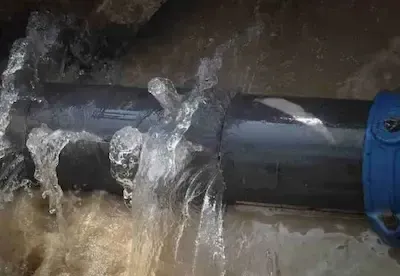
Fast burst pipe repair in Bexley — acoustic leak detection, galvanized pipe expertise, and same-day response.
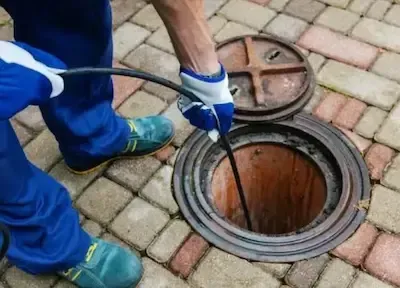
Sewer backup repair in Bexley — camera inspection, hydro-jetting, and trenchless solutions for root-invaded clay laterals.
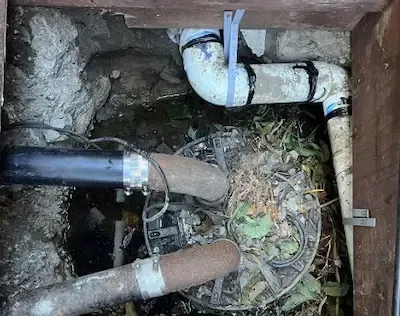
Tree root intrusion repair in Bexley — hydro-jetting and trenchless lining for the arboretum city's most common plumbing emergency.
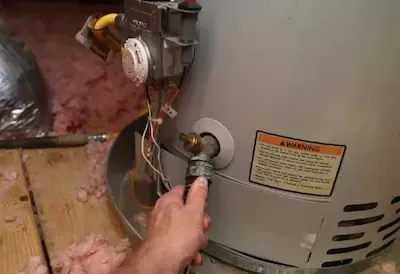
Water heater repair and replacement in Bexley — tank and tankless service, same-day installation, historic home expertise.
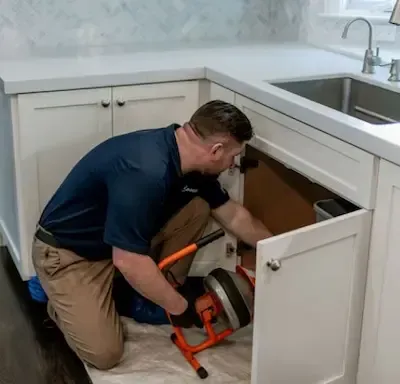
Professional drain cleaning in Bexley — hydro-jetting for cast iron drain lines in pre-war homes, no chemical cleaners.
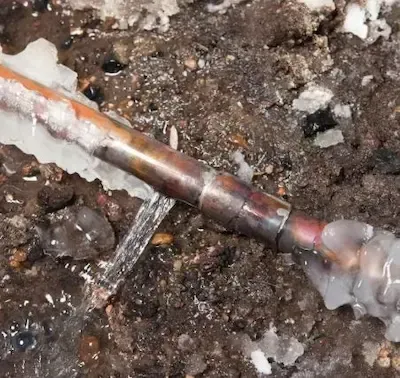
Frozen pipe repair in Bexley — safe thawing, burst repair, and freeze-prevention solutions for pre-war homes.
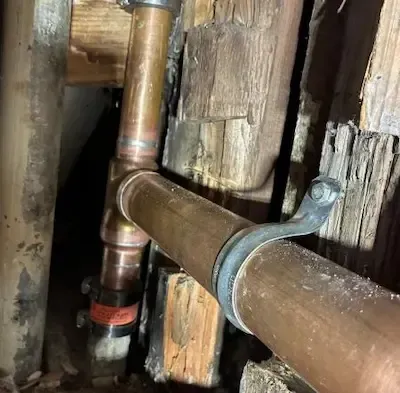
Galvanized pipe replacement in Bexley — section replacement or full repipe using PEX for Bexley's pre-war housing stock.
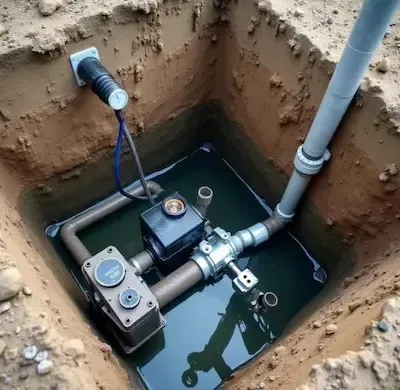
Sump pump repair and replacement in Bexley — clay soil specialists, battery backup installation, pre-thaw season service.
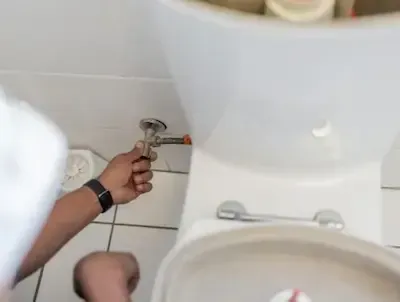
Toilet repair in Bexley — vintage fixture rebuild, wax ring replacement, and running toilet repair for historic and modern homes.
Frequently Asked Questions
Plumber can be complex, and we’re here to provide answers to common questions. Here are some frequently asked questions from our clients.
Frequently Asked Questions about Emergency Plumber Bexley OH
What is the fastest way to reach an emergency plumber in Bexley?
Call our direct line for immediate dispatch. We have technicians close to Bexley and respond faster than services routing through national call centers. For active flooding, shut the main water valve first, then call us.
Do you work on historic homes with older plumbing systems?
Yes. A significant share of our calls come from Bexley's pre-war housing stock. We understand galvanized pipe systems, cast iron drain lines, and original fixture configurations found in homes built between the 1910s and 1950s. We carry parts most plumbers do not stock for these systems.
What causes sewer backups in Bexley's older neighborhoods?
Tree root intrusion is the primary cause. Bexley's arboretum-city designation means the canopy is older and denser than nearly any Columbus suburb. Those root systems grow directly into aging clay sewer laterals beneath the street — we see this pattern regularly in Bexley's historic neighborhoods.
How quickly can you respond to a plumbing emergency in Bexley?
Typically within 60 minutes for calls inside Bexley. We prioritize active flooding, sewage backup, and water heater failures. If you describe a loss-of-service emergency, we route a technician before scheduled work.
Are your emergency plumbing services available on weekends?
Yes. We run full crews on Saturday and Sunday. Plumbing emergencies do not follow business hours and neither do we. Weekend calls receive the same dispatch priority as weekday calls with no premium surcharges.
What plumbing emergencies are most common in Bexley OH?
Sewer backups from tree root intrusion into clay laterals, burst galvanized pipes in older walls, water heater failures, frozen pipe splits during cold stretches, and sump pump failures during spring thaw are the most frequent calls we receive in Bexley.
Need Plumber?
What Our Satisfied Clients Have to Say About Bexley Plumbing Pros
We pride ourselves on delivering great results and experiences for each client. Hear directly from home and business owners who’ve trusted us with their Plumber needs.

Called at 11 at night with a burst pipe in the basement and they had a technician at my door in under an hour. He knew exactly what he was dealing with in our 1930s home — had the right parts on the truck and had us back to normal before 1 a.m. Genuinely impressive.
Margaret Calloway
We had a full sewer backup on a Sunday morning. Bexley Plumbing Pros arrived within the hour, ran a camera down the line, and confirmed root intrusion from our oak trees — exactly what I had suspected for years. They cleared it and gave me a straight assessment of what trenchless lining would cost. No pressure, just real information.
Thomas Prescott
Our water heater failed on the coldest week of the year. They came out the same day, assessed that our 1950s tank was well past its service life, and had a new unit installed by that afternoon. The technician explained every step and the final bill matched the estimate exactly. That kind of reliability is hard to find.
Linda Harmon
The Trusted Plumber Expert Near You
Ready to hear more about expert services at Bexley Plumbing Pros?
Contact us today to receive a detailed, no-obligation quote.
Bexley & the greater Columbus metro
24/7/365 Emergency Service - Regular Hours: Mon-Fri 7am-6pm, Sat-Sun Noon-5pm

