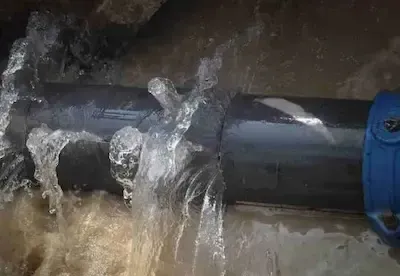
What to Do Before the Plumber Arrives Bexley Burst Pipe
When a pipe bursts in your Bexley home, the minutes before the plumber arrives matter enormously. Shut off your main water supply immediately, move away from electrical hazards, and start documenting damage. These actions protect your property, speed up repairs, and support your insurance claim. Bexley homeowners who take these steps first consistently see less structural damage and smoother service calls. This guide walks you through exactly what to do from the moment you discover a burst pipe until your plumber pulls up.
Step 1: Find and Shut Off Your Main Water Valve
Your first priority is stopping the flow. In most Bexley homes, the main shutoff valve is located in the basement near the front foundation wall, in a utility room, or near the water meter. Turn the valve clockwise until it stops completely. If you have individual shutoff valves under sinks or behind toilets near the affected area, use those instead to isolate the problem without cutting water to the whole house. Once water stops flowing, open a cold-water faucet on a lower floor to drain pressure from the pipes and reduce residual leaking.
Step 2: Turn Off Your Water Heater
With the main supply off, your water heater can overheat or run dry if it keeps firing. Switch a gas heater to the pilot setting on the thermostat dial. For an electric unit, go to your breaker panel and flip the water heater breaker off. This step takes thirty seconds and prevents a secondary appliance problem on top of the burst pipe emergency you are already managing.
Step 3: Assess Electrical Hazards Before Entering the Area
Standing water and electricity are a dangerous combination. Before you walk into a flooded basement, garage, or utility room, check whether any outlets, appliances, or breaker panels are in or near the water. If there is any doubt, switch off the circuit breakers for the affected area at your main panel. Do not enter standing water if you cannot confirm the electricity is off. Bexley firefighters and utility crews are familiar with this type of emergency and can assist if the situation feels unsafe before your plumber arrives.
Step 4: Move Valuables and Protect Floors
Once it is safe to enter the space, move furniture, electronics, important documents, and anything else that can be damaged by water. If the burst is in a ceiling or wall, place buckets and lay down towels to redirect flow. Pull up rugs and move them to dry areas. If water is pooling on hardwood floors common in older Bexley neighborhoods near Main Street and Cassady Avenue, get it up fast because warping begins within the first hour of saturation.
Step 5: Take Photos and Video of Everything
Document the damage before you clean anything up. Walk through the affected area with your phone and capture the pipe location, the water spread, any visible structural damage, and the condition of appliances, flooring, and walls. Time-stamp your footage if possible. Insurance adjusters working Bexley claims consistently note that homeowners who document early receive faster and more complete settlements. Your Burst Pipe Repair crew will also want to see where water traveled so they can check for hidden damage behind walls.
Step 6: Ventilate and Begin Basic Drying
Open windows if weather allows and set up fans to start air movement through the wet space. If you have a wet-dry shop vacuum, use it to pull standing water from hard floors. Do not use a standard household vacuum on water. Reducing moisture in the air and on surfaces slows mold growth, which can begin in as little as twenty-four to forty-eight hours in Ohio's humid spring and summer conditions. Bexley homes with finished basements are especially vulnerable to rapid mold development when water sits.
Step 7: Gather Information for the Plumber
Before your technician arrives, write down or photograph the following: the location where you first noticed water, any sounds you heard before the pipe burst such as banging or hissing, the age of your home's plumbing if you know it, and whether this section of pipe has had issues before. Bexley's older housing stock, particularly homes built before the 1970s along residential streets in the College Hill and Bexley Park areas, often has galvanized steel or older copper lines that are more prone to failure. This context helps your plumber diagnose the cause faster and recommend the right repair. Reading the Bexley burst pipe emergency primer ahead of time gives you even more background on how these situations unfold.
Step 8: Stay Accessible and Clear a Path
Make sure your driveway or parking area is clear so the service vehicle can pull close to your home. Unlock any gates or side doors that lead to the affected area. Have your water meter location in mind in case the plumber needs access to it. Keep pets and children out of the work zone. When the technician arrives, point them directly to the shutoff valve location and the area where you first saw water. A clear handoff saves time and gets your home back to normal faster.
