Bexley OH Drain Cleaning Handbook for Older Home Plumbing
Understanding Bexley's Vintage Drain Infrastructure
Your Bexley home's drain system tells a story of decades of plumbing evolution. Most properties in the historic district feature cast iron main stacks installed between 1920 and 1960, with clay tile laterals extending to the street connection. These materials served their purpose well but present unique cleaning challenges that require specialized approaches.
Cast iron develops internal corrosion over time, creating rough surfaces that catch debris more readily than modern PVC. The original 4-inch main stacks typically handle waste from upstairs bathrooms, while kitchen and laundry connections often tie in through 3-inch branches. Understanding this layout helps determine the most effective cleaning method for your specific blockage.
Clay tile laterals under Bexley yards present their own complications. These sections, running from your foundation to the street, consist of individual clay segments with mortar joints. Over decades, tree roots from the mature oaks and maples throughout the neighborhood work their way into these joints, creating the classic root intrusion problems that many homeowners face.
The connection between your cast iron stack and clay lateral occurs at what plumbers call the transition point, usually located just outside your foundation wall. This junction represents the most vulnerable spot in your entire drain system, as differential settling between the rigid cast iron and flexible clay creates stress cracks that invite root penetration.
Diagnostic Methods for Historic Drain Systems
Effective drain cleaning in older Bexley homes begins with proper diagnosis. The symptoms you experience provide crucial clues about the location and nature of your blockage. Kitchen sinks that drain slowly during garbage disposal use often indicate grease accumulation in the horizontal run to the main stack, while toilet backups typically point to problems in the 4-inch vertical stack itself.
Professional camera inspection becomes essential when dealing with cast iron systems over 40 years old. The internal condition of these pipes varies dramatically depending on original installation quality and decades of use. Some sections remain surprisingly clear while others show significant scaling or even partial collapse that standard augering cannot address.
Drain Cleaning professionals use specialized camera equipment designed for the smaller diameter access points common in vintage homes. Many Bexley properties lack modern cleanout access, requiring camera insertion through existing fixtures or carefully selected removal points that minimize disruption to your home's interior.
The diagnostic process often reveals multiple minor restrictions rather than single complete blockages. Cast iron scaling reduces effective pipe diameter gradually, while accumulated soap residue and hair create additional narrowing. Professional assessment helps prioritize which restrictions require immediate attention versus longer-term planning for system upgrades.
Mechanical Cleaning Approaches
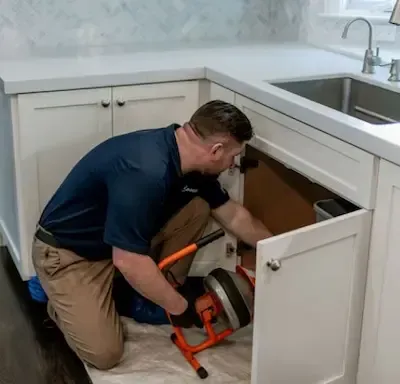
Electric drain machines represent the primary tool for clearing blockages in Bexley's older drain systems, but equipment selection requires careful consideration of pipe condition and access limitations. Standard 1/2-inch cables work well for routine kitchen and bathroom sink cleaning, while larger blockages in main stacks demand 5/8-inch or 3/4-inch cables with appropriate cutting heads.
The key to successful mechanical cleaning in cast iron pipes lies in matching the cutting head to both the blockage type and pipe condition. Grease blockages respond well to retriever heads that pull material back rather than pushing it further downstream. Root intrusions require saw-tooth cutters that slice through organic material without creating excessive pressure against weakened pipe walls.
Cable operation technique becomes critical when working with vintage plumbing. Excessive speed or pressure can damage internal surfaces that have developed thin spots from decades of corrosion. Professional operators develop a feel for the resistance patterns that indicate healthy pipe versus sections requiring gentler treatment.
Access point selection often determines cleaning success in older homes. Many Bexley properties feature basement access to the main stack, but reaching horizontal runs to kitchen and laundry areas may require working through existing fixtures. Professional assessment identifies the most effective entry points while minimizing disruption to your daily routine.
Hydro-Jetting Considerations for Vintage Systems
High-pressure water jetting offers superior cleaning results compared to mechanical methods, but applying this technology to Bexley's older drain systems requires expert evaluation of pipe condition and system integrity. Cast iron pipes over 50 years old may have developed thin spots or loose joint connections that cannot withstand standard jetting pressures.
When appropriate for your system, hydro-jetting provides unmatched cleaning effectiveness. The pressurized water stream removes accumulated grease, soap residue, and scale buildup that mechanical cleaning leaves behind. This thorough cleaning extends the time between service calls and helps prevent rapid re-clogging that frustrates many homeowners.
Pressure selection becomes the critical factor in safe hydro-jetting of vintage systems. Professional equipment allows precise pressure control, starting with lower settings to test pipe response before increasing to effective cleaning levels. This cautious approach protects your valuable cast iron infrastructure while achieving superior results.
Pre-jetting camera inspection proves essential for older systems. The camera reveals pipe condition, identifies areas of concern, and helps determine appropriate pressure levels for safe cleaning. This diagnostic step prevents costly damage to pipes that might appear functional but have developed structural weaknesses over decades of service.
Root Intrusion Management
Tree root infiltration represents the most common long-term drain problem facing Bexley homeowners. The mature trees that define the neighborhood's character create extensive root systems that naturally seek the moisture and nutrients found in sewer lines. Clay tile laterals with their mortared joints provide easy entry points for determined roots.
Root cutting requires specialized equipment and technique to achieve lasting results. Professional root cutters feature hardened steel blades designed to slice through root masses without catching or binding in the pipe. The cutting action must be thorough enough to remove the bulk of root material while avoiding damage to the pipe walls themselves.
Follow-up treatment with root inhibitor chemicals extends the effectiveness of mechanical cutting. These copper-based formulations create an environment hostile to root regrowth without harming your trees or violating environmental regulations. Proper application requires understanding of your specific pipe layout and local soil conditions.
Timing root maintenance prevents emergency situations. Most Bexley properties benefit from root cutting every 18 to 24 months, depending on tree proximity and soil moisture levels. Regular maintenance keeps root intrusions manageable and avoids the complete blockages that require emergency service calls.
Grease and Soap Buildup Solutions
Kitchen drain problems in older Bexley homes often stem from grease accumulation in horizontal runs where cast iron pipes have developed internal scaling. The rough interior surfaces created by decades of corrosion provide excellent attachment points for grease and food particles that create stubborn blockages.
Hot water flushing provides temporary relief but rarely addresses the underlying accumulation in horizontal sections where grease solidifies as it cools. Professional cleaning removes both the immediate blockage and the underlying buildup that causes recurring problems.
Soap residue creates a different but equally problematic situation in bathroom drains. Modern detergents and body wash products contain ingredients that didn't exist when your home's plumbing was installed. These materials interact with hair and skin cells to create tough blockages that resist simple snaking.
Enzyme-based maintenance products offer homeowners an effective tool for managing soap and organic buildup between professional cleanings. These biological treatments break down accumulated residue naturally without the harsh chemicals that can damage older pipe materials or upset your septic system balance.
Protecting Historic Plumbing During Cleaning
Preserving your Bexley home's original plumbing infrastructure requires balancing effective cleaning with protection of aging materials. Cast iron pipes that have provided decades of reliable service deserve careful handling to extend their useful life while maintaining proper drainage function.
Professional cleaning protocols for historic systems emphasize gradual pressure application and careful monitoring of equipment resistance. Sudden changes in cable tension or water pressure can indicate pipe weakness that requires modified technique or alternative approaches.
our Bexley water heater overview discusses similar preservation principles for other vintage plumbing components. The same careful approach that protects older water heating systems applies to drain cleaning operations.
Documentation of pipe condition during cleaning helps plan future maintenance and potential upgrade timing. Professional services maintain records of internal pipe condition, problem areas, and cleaning effectiveness that guide long-term plumbing decisions.
Seasonal Maintenance Strategies
Bexley's climate creates seasonal patterns that affect drain performance and maintenance timing. Spring root growth coincides with increased water table levels that can stress older lateral connections. Fall leaf accumulation can overwhelm floor drains and outdoor drainage systems.
Winter freeze-thaw cycles affect cast iron pipes differently than modern materials. The expansion and contraction can worsen existing cracks or joint problems, making early spring an ideal time for comprehensive system evaluation and preventive cleaning.
Summer usage patterns, particularly increased laundry and dishwashing during family gatherings, can overwhelm systems that function adequately during lighter use periods. Preventive cleaning before peak usage seasons helps avoid inconvenient backups during important events.
Scheduling professional maintenance during shoulder seasons provides better service availability and often more favorable pricing. Many experienced contractors offer comprehensive inspections and cleaning packages that address multiple aspects of your vintage plumbing system.
Emergency Response and Prevention
Complete drain blockages in older homes can create serious problems quickly, particularly when they affect the main stack serving multiple fixtures. Understanding your home's drainage layout helps you respond appropriately to emergency situations while minimizing damage and health hazards.
Water damage prevention becomes critical when dealing with vintage plumbing emergencies. Older homes often have finished basement areas where backed-up drains can cause extensive property damage. Knowing the location of your main shutoff valve and understanding your system's overflow patterns helps limit damage scope.
Professional emergency services for historic plumbing require specialized equipment and experience with older pipe materials. Standard residential drain cleaning equipment may not provide adequate power for severely blocked cast iron systems, while inappropriate technique can worsen existing problems.
Prevention strategies focus on understanding your system's limitations and maintaining awareness of early warning signs. Subtle changes in drainage speed, unusual odors, or gurgling sounds often indicate developing problems that professional attention can address before they become emergencies.When a drain keeps clogging no matter how often you clear it, the method matters more than the frequency. See our breakdown of hydro jetting versus a cable snake for when each one is the right call and which protects fragile cast iron.
