Bexley OH Water Heater Emergency Response Handbook
When your water heater fails in Bexley, Ohio, the response you take in the first few minutes can determine whether you're dealing with a manageable repair or extensive water damage to your home. Understanding the unique characteristics of Bexley's housing stock, from the pre-war homes near Cassingham Elementary to the mid-century builds around Jeffrey Mansion, helps you respond more effectively to water heater emergencies.
Immediate Emergency Assessment
Your first priority during any water heater emergency is safety assessment. Turn off the power supply to electric units at the circuit breaker, or shut off the gas supply valve for gas units. For homes in Bexley's older neighborhoods, particularly those built before 1950, the electrical panels may not be clearly labeled, so familiarize yourself with your breaker locations before an emergency occurs.
Check for active water leaks around the unit base, connections, and relief valve. Small drips from the temperature and pressure relief valve are normal during heating cycles, but steady streams or pooling water indicate emergency conditions. The basement configurations common in Bexley homes often feature finished spaces, so water damage can affect valuable living areas quickly.
If you smell gas around a gas water heater, evacuate immediately and contact your utility company before addressing any other issues. Natural gas leaks require professional intervention and pose serious safety risks that override other emergency considerations.
No Hot Water Diagnostics
Complete loss of hot water typically stems from power supply issues, thermostat failures, or heating element problems in electric units, or pilot light and gas supply issues in gas units. Check your electrical panel first - many Bexley homes experience occasional circuit breaker trips, especially during high-usage periods when multiple appliances operate simultaneously.
For electric water heaters, locate the reset button on the upper thermostat, usually behind an access panel. Press firmly and listen for a clicking sound. If the reset button was tripped, this may resolve the issue temporarily, but recurring trips indicate underlying problems requiring professional diagnosis.
Gas water heater pilot light issues are common in homes with basement installations typical throughout Bexley. Check the pilot light through the viewing window - you should see a small blue flame. If absent, follow the manufacturer's relighting procedures, but if the pilot won't stay lit after multiple attempts, contact a professional for Water Heater Repair services.
Leak Triage and Water Control
Water heater leaks range from minor nuisances to emergency flooding situations. Identify the leak source before taking action - top connections, tank body, bottom fittings, or relief valve discharge. Each location indicates different problem severity and repair approaches.
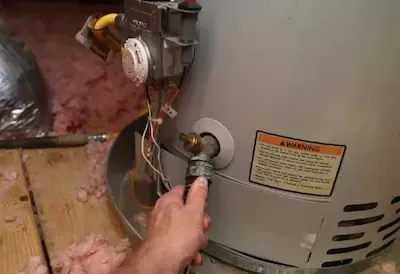
For active leaks, shut off the cold water supply valve located on the incoming water line, typically at the top of the unit. This stops additional water from entering the system and reduces leak pressure. Place containers or absorbent materials around the leak area to protect basement flooring, particularly important in Bexley's finished basement spaces.
Tank body leaks indicate internal corrosion and usually require complete unit replacement. These leaks often start small but can quickly worsen, especially in older units common in established neighborhoods. Document leak locations and severity for insurance purposes and professional assessment.
Relief valve discharge creates water flow from the overflow pipe, usually extending to a floor drain. Continuous discharge indicates excessive pressure or temperature conditions that require immediate professional attention to prevent dangerous system failures.
Basement Venting and Safety Considerations
Bexley's pre-war homes present unique venting challenges that affect water heater safety and performance. Many original installations feature shared chimney venting systems that serve both furnaces and water heaters, creating potential draft and backdraft issues when systems age or modifications occur.
Check the vent connector for proper attachment and clear pathways. Disconnected or damaged venting allows dangerous combustion gases to enter living spaces rather than safely exiting through the chimney system. Look for rust flakes, white staining, or soot accumulation around vent connections, which indicate improper venting conditions.
Basement ventilation affects water heater operation, especially in tightly sealed homes common in Bexley's energy-conscious renovations. Gas water heaters require adequate combustion air, and insufficient ventilation can cause incomplete combustion, carbon monoxide production, and poor heating performance.
Common Emergency Triggers
Understanding typical water heater failure patterns helps predict and prevent emergency situations. Temperature fluctuations, unusual noises, and performance changes often precede complete failures, giving homeowners warning opportunities for proactive maintenance.
Sediment accumulation affects many units in homes throughout Franklin County due to mineral content in local water supplies. This buildup reduces efficiency, causes overheating, and accelerates tank corrosion. Regular flushing prevents sediment-related emergencies, but accumulated sediment can cause sudden heating element failures or tank ruptures.
Age-related failures cluster around the 8-12 year mark for most residential units. Homes in established Bexley neighborhoods often feature original installations from major renovation periods, meaning multiple units in the same area may experience similar failure timelines.
Electrical issues cause many emergency calls, particularly in homes with older wiring systems. Circuit overloads, loose connections, and thermostat failures can create immediate safety hazards or complete system shutdowns requiring emergency response.
Professional Intervention Requirements
Certain water heater emergencies require immediate professional intervention regardless of homeowner skill level. Gas leaks, electrical sparking, continuous relief valve discharge, and major water leaks exceed safe DIY repair limits and demand expert assessment.
Carbon monoxide concerns warrant emergency professional response, especially in homes with basement water heater installations. Symptoms include headaches, dizziness, nausea, and fatigue affecting household members. Install carbon monoxide detectors near water heater locations and test them regularly.
Electrical emergencies involving water and power combinations create serious electrocution risks. If water contacts electrical components, shut off power at the main breaker before approaching the unit, and contact both electrical and plumbing professionals for safe system restoration.
For complex issues or recurring problems, professional diagnosis saves money and prevents dangerous situations. Many emergency situations result from deferred maintenance or improper previous repairs, making professional assessment valuable for long-term system reliability.
Prevention and Preparedness Strategies
Emergency preparedness reduces response time and minimizes damage when water heater problems occur. Know your water heater's age, warranty status, and maintenance history to make informed emergency decisions about repair versus replacement options.
Create an emergency contact list including your preferred plumber, utility companies, and insurance agent. Keep these numbers accessible and ensure all household members know their locations. For additional guidance on cold-weather plumbing preparedness, reference our Bexley frozen pipe overview for related emergency planning strategies.
Regular maintenance prevents many emergency situations while extending system life and maintaining efficiency. Annual inspections, periodic flushing, and prompt attention to minor issues prevent escalation to emergency conditions requiring expensive repairs or replacements.
Document your water heater's specifications, installation date, and service history for emergency reference. This information helps professionals diagnose problems quickly and ensures appropriate replacement parts availability when repairs become necessary.
Once the emergency is handled, the next question is usually whether to replace like-for-like or switch systems. Our guide on choosing between a tankless and tank water heater walks through the pre-war retrofit tradeoffs, gas line capacity, and real install pricing.
