Bexley OH Frozen Pipe Emergency Response Field Handbook
When winter temperatures plummet in Bexley, Ohio, frozen pipes become one of the most urgent plumbing emergencies homeowners face. The combination of Ohio's harsh winter conditions and Bexley's distinctive pre-war housing stock creates unique vulnerabilities that require immediate, informed response. Understanding how to safely thaw frozen pipes, prevent catastrophic bursts, and recognize when professional intervention is necessary can save you thousands in water damage repairs.
Understanding Frozen Pipe Mechanics in Bexley Homes
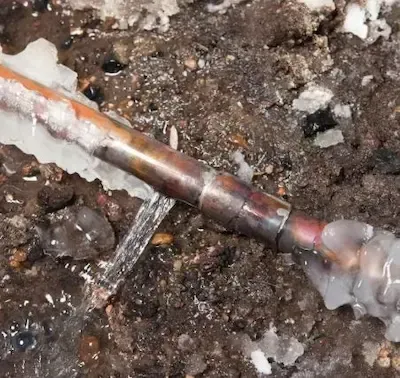
Frozen pipes occur when water inside plumbing lines reaches 32°F, expanding by approximately 9% as it transitions to ice. This expansion creates tremendous pressure within the pipe walls, often exceeding 2,000 pounds per square inch. In Bexley's older homes, built primarily between 1920-1950, original galvanized steel and early copper installations are particularly vulnerable due to decades of mineral buildup that reduces internal diameter and restricts water flow.
The freezing process typically begins in areas where pipes run through unheated spaces: basements, crawl spaces, attics, and exterior wall cavities. Bexley's architectural style, featuring many homes with partial basements and enclosed porches converted to living spaces, creates numerous cold zones where modern insulation may be inadequate. Water lines serving these areas often lack proper protection against Ohio's winter temperature swings.
Most frozen pipe incidents occur during sustained periods below 20°F, particularly when accompanied by wind that drives cold air through foundation gaps and wall penetrations. The risk increases dramatically when interior heating systems fail or when homeowners lower thermostats significantly during extended absences.
Immediate Response Protocol for Frozen Pipes
Your first response when discovering frozen pipes determines whether you face a minor inconvenience or major property damage. Begin by turning off your home's main water supply immediately. This critical step prevents pressurized water from flooding your property if the pipe has already cracked but the break isn't yet visible.
Locate the frozen section by checking faucets throughout your home. Pipes that produce no water or only a trickle indicate blockage upstream. In Bexley homes, common freeze points include pipes running along north-facing exterior walls, lines in unheated basements, and water supplies to converted porches or additions that may lack adequate heating.
Open all faucets served by the frozen line, both hot and cold taps. This relieves pressure as ice melts and allows water to flow once the blockage clears. Keep faucets open throughout the thawing process to monitor progress and prevent pressure buildup that could cause pipe failure.
Never attempt to thaw pipes using open flames, blowtorches, or high-heat devices. These methods can damage pipes, create fire hazards, or cause rapid steam expansion that bursts the line. Instead, apply gentle heat using approved methods that gradually warm the pipe without thermal shock.
Safe Thawing Techniques for Different Pipe Materials
Safe thawing requires matching your method to the pipe material and location. For exposed copper pipes, use a hair dryer on low heat setting, maintaining constant motion to prevent overheating any single spot. Work from the faucet end toward the frozen section, allowing melted water to escape and reducing pressure on the remaining ice plug.
Electric heating pads wrapped around the pipe provide gentle, controlled heat for accessible sections. Set the pad to low or medium temperature and check frequently to ensure the pipe isn't overheating. This method works particularly well for short frozen sections in basement or crawl space applications common in Bexley homes.
For pipes within wall cavities, increase ambient temperature in the affected area using space heaters positioned safely away from combustible materials. Open cabinet doors under sinks to allow warm air circulation around pipes. In rooms with frozen pipes, maintain temperature above 65°F until normal water flow resumes.
Hot towels soaked in warm water and wrapped around accessible pipe sections provide another safe thawing option. Replace towels frequently as they cool, maintaining consistent gentle heat application. This method requires more effort but offers excellent control over temperature application.
Infrared heat lamps can effectively thaw pipes in open areas like basements or utility rooms. Position lamps 12-18 inches from the pipe, never closer, and monitor continuously to prevent overheating. This technique works especially well for older galvanized lines that require extended gentle warming.
Recognizing and Preventing Pipe Burst Scenarios
Understanding burst warning signs can prevent minor freezing incidents from becoming major disasters. Listen for unusual sounds: creaking, popping, or whistling noises often indicate ice expansion stressing pipe joints. In Bexley's older homes, these sounds may be more pronounced due to rigid mounting systems that don't accommodate thermal movement.
Visual inspection reveals critical warning signs including frost formation on exposed pipes, bulging or deformation of pipe sections, and moisture or ice accumulation around joints and fittings. Any visible pipe damage requires immediate professional attention, as apparent minor cracks often indicate more extensive internal damage.
Monitor your water meter during thawing attempts. If the meter continues running when all fixtures are closed, you likely have a leak requiring immediate professional intervention. Don't attempt further thawing if leakage is suspected, as additional water flow will worsen damage.
Prevention strategies focus on maintaining consistent temperatures and improving insulation in vulnerable areas. Set your thermostat no lower than 55°F during cold snaps, even when away from home. The energy cost of maintaining higher temperatures is minimal compared to water damage repair expenses.
Allow faucets to drip slowly during extreme cold periods. Moving water resists freezing better than static water, and the small water usage cost is negligible compared to potential pipe replacement expenses. Focus this technique on faucets served by pipes in unheated or poorly insulated areas.
Bexley-Specific Architectural Vulnerabilities
Bexley's housing stock presents unique frozen pipe challenges due to construction methods prevalent during the community's development boom. Many homes feature partial basements with stone or early concrete foundations that allow significant air infiltration. These foundations often lack vapor barriers, creating pathways for cold air to reach water lines.
The community's many Tudor Revival and Colonial Revival homes often incorporate complex rooflines with multiple dormers, bay windows, and architectural extensions that create thermal bridges. Water lines serving these areas frequently run through uninsulated wall cavities or poorly heated spaces, making them prime candidates for freezing during Ohio's harsh winters.
Converted spaces present particular risks in Bexley homes. Many properties feature enclosed porches, basement apartments, or garage conversions that may have water lines installed after original construction. These additions often lack proper insulation and heating integration, creating isolated cold zones where pipes are vulnerable.
Original plumbing installations in pre-1950 Bexley homes frequently routed water lines through exterior wall cavities, particularly on north-facing sides where solar gain provides no assistance. Modern insulation retrofits may have bypassed these pipe runs, leaving them exposed to exterior temperature fluctuations.
Professional Intervention Decision Points
Certain situations require immediate professional assistance rather than DIY thawing attempts. Contact professional help immediately if you discover any visible pipe damage, including cracks, bulges, or joint separation. Attempting to thaw damaged pipes often worsens the problem and increases repair costs significantly.
Multiple frozen locations throughout your home indicate systemic heating or insulation problems that require professional diagnosis. This situation suggests broader issues than simple weather-related freezing and may involve heating system malfunctions or major insulation failures that need comprehensive addressing.
If thawing attempts produce no results after several hours of proper technique application, professional tools and expertise become necessary. Plumbing professionals have specialized equipment including pipe thawing machines that can safely address severe blockages without pipe damage.
Electrical concerns around frozen pipes always warrant professional attention. If frozen pipes are located near electrical systems, in areas where electrical heating tools pose fire risks, or where water damage could affect electrical systems, professional assessment protects both property and personal safety.
When you need expert assistance, professional Frozen Pipe Repair services can quickly restore your water supply while preventing costly damage to your home's plumbing system.
Long-Term Prevention and Winterization Strategies
Effective frozen pipe prevention requires a comprehensive approach addressing both immediate vulnerabilities and long-term improvements. Begin with thermal envelope improvements, focusing on areas where water lines are most exposed to exterior conditions. Seal air leaks around foundation penetrations, window frames, and door openings that allow cold air infiltration near plumbing runs.
Insulation upgrades specifically targeting pipe protection provide excellent return on investment. Foam pipe insulation, properly installed on all exposed water lines, creates a thermal barrier that extends the time before freezing occurs. Pay particular attention to pipes in crawl spaces, basements, and along exterior walls where Bexley homes are most vulnerable.
Consider relocating particularly vulnerable pipe sections during renovation projects. Moving water lines from exterior wall cavities to interior walls eliminates exposure to exterior temperature fluctuations. This strategy works especially well during bathroom or kitchen remodeling projects common in Bexley's older homes.
Install temperature monitoring systems in vulnerable areas to provide early warning of dangerous conditions. Smart thermometers that send alerts when basement or crawl space temperatures approach freezing give you time to take preventive action before pipes actually freeze.
Heating system maintenance ensures consistent interior temperatures throughout your home. Annual furnace servicing, duct sealing, and proper insulation distribution help eliminate cold spots where pipes are vulnerable. This is particularly important in Bexley's older homes where heating systems may have been modified or expanded over decades.
For additional context on managing winter plumbing emergencies, review our Bexley burst pipe overview to understand the connection between freezing and catastrophic pipe failures.
Emergency Preparedness and Recovery Planning
Developing a comprehensive emergency response plan before winter arrives significantly reduces damage potential when frozen pipes occur. Create a detailed property map identifying main water shut-off locations, individual fixture shut-offs, and areas where pipes are most vulnerable to freezing. Share this information with all household members and keep copies in easily accessible locations.
Maintain emergency supplies specifically for frozen pipe incidents including pipe insulation materials, heat tape, space heaters, and contact information for reliable professional services. Having these materials readily available allows immediate response when freezing occurs, potentially preventing minor incidents from becoming major disasters.
Document your home's plumbing system with photographs showing pipe locations, materials, and vulnerable areas. This documentation proves invaluable for insurance claims if damage occurs and helps professionals quickly understand your system during emergency service calls.
Establish relationships with trusted plumbing professionals before emergencies arise. Research local services, read reviews, and identify 24-hour emergency providers who understand Bexley's specific housing characteristics and common plumbing challenges. Having this relationship established saves critical time during actual emergencies.
Understanding your insurance coverage for frozen pipe damage helps guide both prevention investments and emergency response decisions. Review your homeowner's policy to understand what damage is covered, what preventive measures may be required to maintain coverage, and what documentation is needed for successful claims.
Frozen pipe emergencies in Bexley require swift, informed action that respects both the urgency of the situation and the unique characteristics of the community's housing stock. By understanding proper thawing techniques, recognizing when professional help is needed, and implementing comprehensive prevention strategies, you can protect your property from winter's most costly plumbing challenges. Remember that the investment in proper prevention and professional assistance when needed is minimal compared to the potential costs of water damage in your home.
