Pre-War Galvanized Pipe Replacement in Bexley OH Homes
Bexley's pre-war homes, built between 1900 and 1940, showcase beautiful architecture and established neighborhoods, but they also harbor aging galvanized steel plumbing that's reaching the end of its functional life. These homes throughout Bexley's tree-lined streets face similar plumbing challenges as galvanized pipes deteriorate from the inside out, creating water pressure issues, discoloration, and potential health concerns that require comprehensive replacement strategies.
Understanding Galvanized Pipe Deterioration in Pre-War Construction
Galvanized steel pipes in Bexley's pre-war homes were installed when this material represented the standard for residential plumbing. The zinc coating that gives galvanized pipes their name provides initial protection against corrosion, but after 70 to 90 years of service, this coating has worn away in most Bexley homes. The underlying steel begins rusting from the inside, creating a cascade of problems that worsen over time.
The deterioration process creates iron oxide buildup that narrows pipe interiors, reducing water flow and pressure throughout the home. You'll notice this as weak shower pressure, slow-filling fixtures, and water that takes longer to reach faucets. The rust also breaks free and travels through your water supply, creating the characteristic reddish-brown discoloration that many Bexley homeowners recognize as a sign of galvanized pipe problems.
Temperature fluctuations common in Ohio's climate accelerate this deterioration process. Winter freezing and summer heat expansion stress the already compromised pipe walls, leading to pinhole leaks and eventual pipe failure. The mineral content in Bexley's water supply contributes additional stress to aging galvanized systems, making replacement a matter of when, not if.
Routing Challenges in Bexley's Pre-War Architecture
Pre-war homes in Bexley present unique challenges for galvanized pipe replacement due to their construction methods and architectural features. These homes typically feature thick plaster walls, decorative woodwork, and structural elements that complicate modern repiping techniques. Understanding these challenges helps you prepare for the complexity of a full galvanized pipe replacement project.
Original plumbing in these homes often follows indirect routes through wall cavities, around structural beams, and through spaces that modern building codes wouldn't permit. Galvanized Pipe Replacement projects must work within these existing pathways while meeting current plumbing codes, creating a puzzle that requires experienced contractors familiar with pre-war construction methods.
Many Bexley pre-war homes feature centralized plumbing cores where multiple fixtures share wall space, allowing for more efficient replacement routing. However, homes with additions or modifications over the decades may have plumbing scattered throughout the structure, requiring more extensive wall access and potentially higher costs for complete system replacement.
The basement access common in Bexley's pre-war homes provides advantages for trunk line replacement, but second-floor and attic routing often requires careful planning to minimize damage to original architectural features. Contractors must balance the need for complete system replacement with preservation of the home's character and structural integrity.
Plaster Wall Access and Restoration Considerations
Accessing galvanized pipes in pre-war Bexley homes requires working with traditional plaster and lath construction that differs significantly from modern drywall systems. Plaster walls, while durable and providing excellent insulation properties, present specific challenges for plumbing access that affect both the replacement process and restoration requirements.
Professional contractors use specialized techniques to minimize plaster damage during pipe access, including careful scoring and removal of specific sections rather than large-scale demolition. The three-coat plaster system common in pre-war construction allows for strategic access points that can be properly restored to match surrounding wall textures and appearance.
Restoration of plaster walls after galvanized pipe replacement requires skilled craftsmanship to match original textures and blend new work with existing surfaces. This specialized work adds to project timelines and costs but preserves the authentic character that makes Bexley's pre-war homes desirable. Many contractors work with plasterers who specialize in historic restoration to ensure seamless repairs.
The lath and plaster construction does provide some advantages during repiping projects, as the air space behind plaster walls often offers more room for new pipe routing compared to modern construction. However, the presence of horsehair plaster, lead paint, and asbestos-containing materials in some pre-war homes requires additional safety precautions and potentially specialized removal procedures.
Material Selection for Bexley Climate Conditions
Choosing replacement materials for galvanized pipe systems in Bexley homes requires consideration of local climate conditions, water chemistry, and building code requirements. Modern piping options offer significant advantages over the original galvanized steel systems, but each material presents specific benefits and limitations for pre-war home applications.
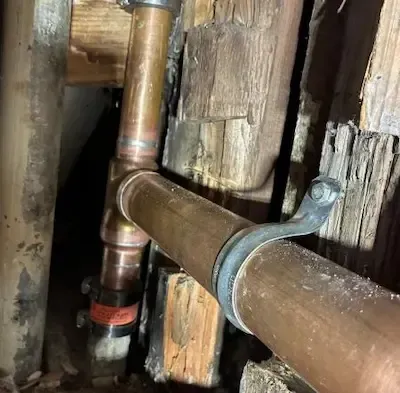
Copper piping remains a premium choice for galvanized replacement in Bexley's pre-war homes, offering decades of reliable service and compatibility with existing fixture connections. Copper's thermal expansion characteristics work well with the solid construction of pre-war homes, and its proven longevity matches the investment homeowners make in these established properties.
PEX (cross-linked polyethylene) piping provides flexible installation options that work particularly well in the complex routing situations common in pre-war construction. PEX's flexibility allows contractors to snake new lines through existing wall cavities with minimal wall damage, reducing restoration costs and project disruption. The material's freeze resistance also provides advantages in Bexley's winter climate.
CPVC (chlorinated polyvinyl chloride) offers a cost-effective middle ground for galvanized replacement, providing good chemical resistance and ease of installation. However, CPVC's temperature sensitivity requires careful consideration in homes with older heating systems or potential for extreme temperature fluctuations in wall cavities during Ohio's seasonal changes.
Project Planning and Permit Requirements
Galvanized pipe replacement in Bexley requires proper permits and adherence to current plumbing codes, even when working within the existing footprint of pre-war plumbing systems. The City of Bexley's building department requires permits for whole-house repiping projects, ensuring that new installations meet modern safety and performance standards while respecting the character of historic neighborhoods.
Planning a complete galvanized replacement involves coordinating with multiple trades beyond plumbing, including electrical work for any fixtures affected by pipe routing changes and potentially HVAC considerations if ductwork interferes with new pipe pathways. This coordination requires experienced project management to minimize disruption and ensure all systems work together properly.
Timing considerations for galvanized replacement projects in Bexley often center around seasonal factors and family schedules. Winter projects can be more challenging due to weather conditions affecting exterior work and potential heating complications during installation. Spring and fall typically offer optimal conditions for major repiping projects, allowing for proper curing of restoration materials and comfortable working conditions.
Temporary water service arrangements become crucial during multi-day replacement projects. Professional contractors typically install temporary connections to maintain water service to essential fixtures during the transition period, minimizing disruption to daily routines while ensuring complete system replacement.
Cost Factors and Investment Considerations
The investment required for complete galvanized pipe replacement in Bexley's pre-war homes varies significantly based on home size, complexity of existing routing, material choices, and restoration requirements. Understanding these cost factors helps homeowners budget appropriately for this essential infrastructure upgrade while considering the long-term value benefits.
Material costs typically represent 25-30% of total project expenses, with copper systems commanding premium pricing but offering the longest service life. PEX installations generally cost less initially and require less labor for installation, while CPVC falls in the middle range for both materials and installation complexity. The choice between materials should consider both upfront costs and expected service life.
Labor costs for galvanized replacement in pre-war homes often exceed those for newer construction due to the complexity of working within existing architectural constraints. Experienced contractors familiar with pre-war construction methods command higher rates but typically complete projects more efficiently with less damage to original features, ultimately providing better value.
Wall restoration costs can represent a significant portion of total project expenses, particularly in homes with extensive decorative plaster work or multiple access points required for complete system replacement. our Bexley toilet repair overview discusses similar considerations for maintaining plumbing systems in older homes while preserving their character.
The investment in galvanized pipe replacement typically provides immediate benefits through improved water pressure, quality, and reliability, while also adding significant value to pre-war properties in Bexley's competitive real estate market. Many homeowners find that complete repiping eliminates ongoing maintenance costs and provides peace of mind regarding their home's essential infrastructure.
Timeline and Living Situation Management
Managing daily life during a complete galvanized pipe replacement requires careful planning and realistic expectations about project timelines. Most whole-house repiping projects in Bexley's pre-war homes require 3-7 days for completion, depending on home size, complexity, and restoration requirements, during which water service will be intermittently interrupted.
Professional contractors typically work in phases to minimize disruption, maintaining water service to essential fixtures like one bathroom and the kitchen sink during major installation work. This phased approach allows families to remain in their homes during most repiping projects, though some temporary inconveniences are unavoidable during the transition period.
Dust and debris management becomes particularly important in occupied homes during galvanized replacement projects. Experienced contractors use plastic sheeting and negative air pressure systems to contain dust and debris, particularly important when working with older homes that may contain lead paint or other hazardous materials requiring special handling procedures.
Communication with neighbors in Bexley's close-knit residential areas helps manage expectations regarding temporary disruptions like contractor vehicles, equipment noise, and occasional utility interruptions that may affect adjacent properties. Most repiping projects generate minimal external disruption, but advance notice helps maintain good neighborhood relationships.
Long-Term Maintenance and System Optimization
New piping systems installed to replace galvanized pipes in Bexley's pre-war homes require different maintenance approaches than the original steel systems. Understanding these maintenance requirements helps homeowners protect their investment while ensuring optimal performance from their upgraded plumbing infrastructure for decades to come.
Modern piping materials like copper and PEX require minimal maintenance compared to galvanized systems, but annual inspections help identify potential issues before they become costly problems. These inspections should focus on connection points, fixture supplies, and any exposed piping in basements or crawl spaces where temperature fluctuations might affect system performance.
Water quality improvements following galvanized pipe replacement often allow homeowners to eliminate water softening systems or filtration equipment that was previously necessary to address rust and mineral issues. However, Bexley's water chemistry should be tested annually to ensure that new piping systems continue performing optimally and aren't experiencing unexpected corrosion or scaling issues.
System optimization following galvanized replacement might include upgrading fixtures and appliances that were previously limited by poor water pressure or quality. New high-efficiency fixtures can take full advantage of improved water pressure and flow rates, potentially reducing water usage while improving performance throughout the home's plumbing system.
Complete galvanized pipe replacement in Bexley's pre-war homes represents a significant but worthwhile investment in essential infrastructure that improves daily life while preserving the character and value of these distinctive properties. Professional installation ensures that modern plumbing systems work seamlessly within historic architectural frameworks, providing reliable service for future generations while maintaining the charm that makes these neighborhoods desirable places to call home.
