Bexley OH Toilet Repair Handbook for Older Home Bathrooms
Toilet repair in Bexley's older homes presents unique challenges that distinguish these projects from standard residential plumbing work. The community's housing stock, predominantly built between 1900 and 1960, features bathroom configurations and plumbing systems that require specialized knowledge and approach. Understanding these distinctive characteristics helps homeowners navigate repair decisions effectively while preserving the integrity of their vintage properties.
Understanding Vintage Toilet Systems in Bexley Homes
Older homes throughout Bexley often contain toilet installations that reflect decades of plumbing evolution. Many properties feature original cast iron waste lines, lead bends, and floor flange systems that have experienced significant wear over time. These components interact differently with modern repair techniques compared to contemporary installations.
The toilet fixtures themselves frequently represent various eras of manufacturing standards. Some Bexley homes retain original porcelain fixtures from the 1920s and 1930s, while others showcase mid-century installations from post-war renovation periods. Each generation of fixtures presents specific repair considerations regarding part availability, mounting configurations, and compatibility with existing plumbing infrastructure.
Water supply connections in these older installations often utilize galvanized steel or early copper piping that may have developed corrosion issues over decades of service. The interaction between aging supply lines and toilet mechanisms creates repair scenarios that require careful evaluation of both immediate fixes and long-term system stability.
Common Repair Issues in Older Bexley Bathrooms
Flapper valve problems represent the most frequent repair need across Bexley's older toilet installations. Vintage flush mechanisms often feature chain linkages and rubber components that deteriorate more rapidly than modern equivalents. The water chemistry in older homes, combined with decades of mineral buildup, accelerates wear on these internal components.
Wax ring failures occur with notable frequency in older installations due to floor movement and settling patterns common in vintage home construction. Bexley's clay soil composition contributes to subtle foundation shifts that can compromise toilet mounting stability over time. These failures often manifest as water damage around the toilet base, requiring immediate attention to prevent subfloor deterioration.
Fill valve malfunctions in older toilets frequently stem from incompatibility between vintage tank configurations and modern replacement parts. Many older Bexley homes feature toilet tanks with non-standard mounting patterns or inlet configurations that complicate standard repair approaches. Professional Toilet Repair services understand these compatibility issues and maintain access to specialized components for vintage fixtures.
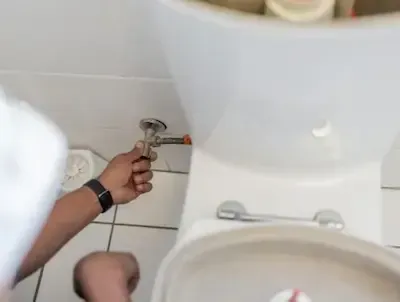
Supply line connections present ongoing challenges in older installations where threaded fittings may have experienced corrosion or where original mounting hardware has loosened over time. The combination of aging shutoff valves and deteriorated supply line connections often requires comprehensive replacement rather than simple repair.
Floor Flange and Mounting Considerations
Floor flange integrity represents a critical concern in older Bexley homes where decades of use may have compromised mounting stability. Original installations often feature cast iron flanges that develop cracks or corrosion patterns around bolt mounting points. These failures create rocking motion that damages wax rings and can lead to water infiltration into subfloor materials.
Subfloor conditions beneath older toilet installations frequently reveal water damage from previous seal failures or chronic minor leaks. Many Bexley homes feature original hardwood subfloors that may have experienced rot or weakening around toilet mounting areas. Proper repair assessment requires evaluation of both visible flange condition and underlying structural integrity.
Height adjustments often become necessary when addressing flange issues in older homes where floor levels may have changed due to renovation work or settling. Modern repair techniques can accommodate these variations through adjustable flange systems, but proper installation requires understanding of the relationship between flange height, wax ring compression, and toilet mounting stability.
Vintage Fixture Part Availability and Alternatives
Replacement parts for older toilet fixtures present ongoing challenges due to discontinued manufacturing lines and changed specifications over decades. Many vintage toilets in Bexley homes require components that are no longer produced in original configurations, necessitating creative solutions or complete fixture replacement.
Tank components from earlier manufacturing periods often feature unique dimensions or mounting patterns that don't align with contemporary replacement parts. Professional repair services maintain relationships with specialty suppliers who stock vintage-compatible components or can provide modified solutions that preserve fixture functionality while ensuring reliable operation.
Flush mechanisms in older installations may require complete system updates rather than individual component replacement. Modern flush valve assemblies can often be adapted to vintage tank configurations, providing improved performance and reliability while maintaining the original fixture appearance.
Lead Pipe and Connection Hazards
Lead connections remain a significant concern in older Bexley toilet installations where original supply lines or waste connections may contain lead solder or components. Professional assessment becomes essential when repair work involves disturbing these connections, as proper safety protocols must be followed to prevent lead exposure during renovation activities.
Water supply connections in homes built before 1950 frequently feature lead-soldered joints that require specialized handling during repair work. Disturbing these connections without proper precautions can create health hazards and may trigger disclosure requirements if lead contamination occurs during repair activities.
Waste line connections in the oldest Bexley homes sometimes feature lead bend configurations that connect toilet flanges to cast iron waste stacks. These connections require careful evaluation during repair work, as disturbance can compromise seal integrity and may necessitate complete system updates to meet current safety standards.
When Replacement Becomes the Better Option
Complete toilet replacement often provides better long-term value than extensive repair work on older fixtures, particularly when multiple system components show wear. The cost differential between comprehensive repair and new installation frequently favors replacement when considering future maintenance requirements and improved efficiency.
Water efficiency improvements available through modern toilet installations can provide significant utility savings over time. Older fixtures typically consume 3.5 to 7 gallons per flush compared to modern 1.28-gallon high-efficiency units. For frequently used bathrooms in Bexley homes, this efficiency improvement justifies replacement costs through reduced water bills.
Mounting and connection improvements available through new installations often resolve chronic issues that plague older systems. Modern mounting hardware, improved wax ring designs, and standardized connection configurations provide superior reliability compared to patched repairs on aging systems.
Aesthetic updates through fixture replacement can enhance bathroom functionality while maintaining period-appropriate styling. Many manufacturers now offer toilet designs that complement vintage bathroom decor while providing modern performance and efficiency standards.
Professional Service Considerations for Bexley Homeowners
Professional toilet repair services bring essential expertise to older home installations where standard repair approaches may not apply. Experienced technicians understand the unique characteristics of vintage plumbing systems and maintain access to specialized tools and components required for older installations.
Proper diagnosis becomes crucial in older systems where visible problems often indicate underlying issues that require comprehensive evaluation. Professional assessment can identify potential complications before repair work begins, preventing project scope expansion and unexpected costs during installation activities.
Code compliance considerations may affect repair approaches in older homes where original installations don't meet current plumbing standards. Professional services understand local requirements and can recommend repair strategies that address immediate needs while ensuring compliance with applicable regulations.
Many homeowners benefit from reviewing our Bexley drain cleaning overview when addressing toilet issues, as drainage problems often contribute to toilet performance issues and may require coordinated repair approaches.
Maintenance Strategies for Older Toilet Systems
Preventive maintenance approaches can extend the service life of older toilet installations while reducing the frequency of emergency repairs. Regular inspection of internal components, supply line connections, and mounting stability helps identify developing issues before they require extensive repair work.
Water quality considerations play an important role in older toilet maintenance, as mineral buildup and corrosion can accelerate component wear. Water treatment systems or regular cleaning protocols can help preserve vintage fixtures and reduce the frequency of internal component replacement.
Seasonal maintenance activities become particularly important in older homes where temperature variations and settling patterns can affect toilet mounting stability. Annual inspection of wax ring condition and mounting bolt tightness helps prevent water damage and maintains proper fixture operation.
Documentation of repair history and component replacement helps future service providers understand system characteristics and previous modification work. This information proves valuable when planning future repairs or evaluating replacement options as systems age.
