Overflowing Toilet Emergency Response for Bexley OH Homes
If your toilet is overflowing in Bexley, OH, act immediately: shut off the water supply valve behind the toilet, contain the water with towels, and assess whether the clog is in the toilet or your main sewer line. Most single-toilet overflows are caused by a blockage you can clear yourself. If multiple fixtures are backing up at once, that points to a main line issue requiring a licensed plumber. This guide walks you through the correct emergency response steps so you can stop the damage fast and make a smart decision about next steps.
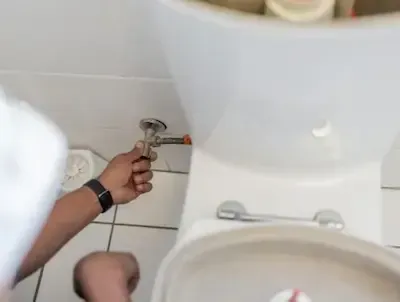
Step 1: Stop the Water at the Supply Valve
Reach behind the toilet near the floor and turn the oval or football-shaped shutoff valve clockwise until it stops. This cuts the water supply to the tank and stops new water from feeding the overflow. If the valve is corroded or will not turn, lift the tank lid and push down the flapper by hand to block the fill. As a last resort, locate your home's main water shutoff — typically in the basement or utility room — and shut it off there. Acting within the first thirty seconds limits water damage significantly in Bexley homes, where older housing stock often means water spreads quickly into hardwood subfloors.
Step 2: Contain the Water Already on the Floor
Lay towels, blankets, or any absorbent material around the base of the toilet immediately. Bathroom water containing waste is considered gray or black water and is a health hazard, so wear rubber gloves before handling anything wet. Move bath mats, rugs, and any stored items away from the flooded area. If water has reached an adjacent room or a floor register, place a bucket beneath the register in the room below to catch any seepage. Bexley's older neighborhoods often feature finished basements, so catching vertical spread early is critical.
Step 3: Identify Whether the Clog Is in the Toilet or the Main Line
Before you plunge anything, make this determination: go to another sink or tub in your home and run water briefly. If that drain backs up or you hear gurgling from the toilet when water runs elsewhere, the blockage is in your main sewer line, not the toilet itself. Do not plunge or add any water to the system if you suspect a main line clog — doing so pushes sewage further into your plumbing and can cause backups at lower fixtures. A main line obstruction requires a professional with a sewer snake or hydro-jetting equipment. If only the toilet is affected, move to the next step.
Step 4: Use a Flange Plunger to Clear the Toilet Clog
A flange plunger — the kind with a rubber extension cup at the bottom — creates a seal inside the drain opening. A standard flat cup plunger will not work as effectively on a toilet. Insert the flange into the drain opening, press to create a seal, and use firm up-and-down strokes without breaking the seal. After six to ten strokes, pull up sharply to break the suction. Repeat two or three times. If the water begins to drain, flush once while watching carefully. If it drains normally, the clog has cleared. For our our Bexley toilet repair overview, additional context on recurring toilet problems is covered in detail.
Step 5: Disinfect the Affected Area
Even after the water is gone, any surface contacted by toilet overflow water must be disinfected. Use a diluted bleach solution — one cup of bleach per gallon of water — on hard floors, baseboards, and any surfaces that were wet. Dispose of towels or rags used during cleanup in a sealed bag. Run a fan or open a window to begin drying the area. If water reached drywall, carpet, or the subfloor, professional remediation may be necessary to prevent mold growth, which develops within 24 to 48 hours in central Ohio's humid conditions.
Step 6: Determine Whether You Need a Plumber
Call a licensed Bexley plumber if any of the following are true: the toilet continues to overflow after plunging, multiple fixtures backed up simultaneously, the toilet has been slow to drain repeatedly over recent weeks, or you notice a sewage smell in other parts of the home. These are signs of a deeper issue — a partial main line blockage, a failing wax ring, or a venting problem — that a plunger will not resolve. For professional Toilet Repair service, reaching out sooner rather than later prevents water damage from compounding. Bexley's tree-lined streets are beautiful, but mature tree roots are a leading cause of main line intrusions in this area, so a camera inspection may be warranted if you've experienced repeated overflows.
What Not to Do During a Toilet Overflow
Do not flush the toilet again hoping it will drain — this almost always makes the overflow worse. Do not use chemical drain cleaners during an active overflow; they cannot reach a submerged clog and create a caustic hazard. Do not ignore a brief overflow that seemed to resolve on its own without identifying the cause. And do not leave standing water on the floor while you wait to deal with it later — damage to Bexley home subfloors accelerates within hours of exposure.
