Pre-Winter Pipe Prep Checklist for Bexley OH Homeowners
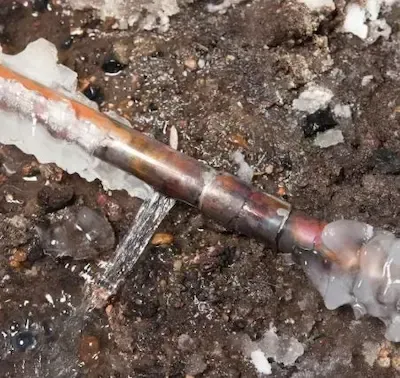
Getting your pipes ready for winter in Bexley, OH takes less than two hours and can prevent thousands of dollars in water damage. The core tasks: shut off and drain outdoor spigots, insulate exposed lines in crawlspaces and garages, locate your main shutoff, and check any pipe runs along exterior walls. Bexley winters regularly push temperatures into the single digits, and older homes in the neighborhood—particularly those near Alum Creek Drive and the Cassingham Road corridor—often have vulnerable pipe configurations that freeze without warning. Work through this checklist before the first hard freeze arrives.
Step 1: Shut Off and Drain Every Outdoor Spigot
Find the interior shutoff valve that feeds each outdoor hose bib. In most Bexley homes built before 1980, these valves are located in the basement near the rim joist or in a utility room. Turn the valve clockwise until it stops, then go outside and open the spigot fully to drain any remaining water from the line. Leave the spigot handle in the open position overnight so residual moisture can escape. Do this for every exterior faucet on the property. If you have a frost-free sillcock installed, it still needs to be disconnected from any hose—trapped water in an attached hose defeats the frost-free design entirely.
Step 2: Insulate Exposed Pipe Runs in Unheated Spaces
Walk through your crawlspace, garage, and any unfinished basement areas. Any copper or PEX line that runs along an exterior wall or through an unheated zone is at risk once temperatures drop below 20°F—which happens multiple times each winter in Bexley. Use foam pipe insulation sleeves, available at any hardware store on Main Street or East Broad Street. Measure the pipe diameter first; a snug fit matters. For tight corners or irregularly routed lines, self-sealing foam tape works well. Pay particular attention to lines that run through band joists, which are common weak points in Bexley's older housing stock.
Step 3: Check Pipes Along Exterior Walls Inside the Home
Open cabinets under kitchen and bathroom sinks located on exterior walls. If you can feel a cold draft near the back of the cabinet, that pipe is vulnerable. Keep cabinet doors open during cold snaps to let heated air circulate around the pipes. Seal any gaps where pipes pass through the exterior wall with spray foam or caulk—small openings allow sub-freezing air to contact the pipe directly. This step is especially relevant for Bexley homes with additions or remodeled kitchens where pipe routing may not follow standard interior-wall paths.
Step 4: Locate and Label Your Main Water Shutoff
Every person in your household should know where the main shutoff valve is and how to operate it. In most Bexley properties, it is either near the water meter in the basement or in a utility closet on the first floor. If the valve is a gate valve (round handle), turn it clockwise until it stops. If it is a ball valve (lever handle), turn it 90 degrees perpendicular to the pipe. Test it now while conditions are calm. A valve that hasn't moved in years may be stiff or partially seized—better to discover that in October than during a pipe burst at midnight in January. For immediate help if a pipe does freeze, Frozen Pipe Repair services are available locally.
Step 5: Drain Irrigation Systems and Secondary Lines
If your Bexley property has an in-ground irrigation system, it must be winterized before the first freeze. This typically means using a compressor to blow out each zone, starting from the zone farthest from the backflow preventer and working inward. If you have a second water line for a detached garage, workshop, or rental unit on the property, verify that line is either properly heated or fully shut off and drained for the season. Standing water in a rarely used branch line is one of the most common—and most overlooked—sources of winter pipe damage.
Step 6: Set a Minimum Thermostat Temperature
If you travel during the winter or leave your home unoccupied for any stretch of time, set the thermostat no lower than 55°F. This applies to Bexley homeowners with vacation plans over the holidays as much as anyone else. A smart thermostat with remote monitoring gives you an alert if the temperature drops unexpectedly. For homes with finished basements or rooms over unheated garages, verify that heating vents actually reach those spaces—these are frequent trouble spots in Bexley's split-level and colonial-style homes. For broader context on what to do if something does go wrong, read the Bexley frozen pipe emergency primer before temperatures fall.
Step 7: Do a Final Walk-Through After the First Cold Night
After the first night temperatures drop below 25°F, do a quick check of every area you addressed in this checklist. Feel the insulation sleeves for any unusual coldness, confirm outdoor spigots are still fully drained, and verify the crawlspace access panel is sealed shut. If water pressure drops noticeably at any fixture, treat it as a warning sign of a partially frozen line and address it immediately before it becomes a full blockage or burst. Catching the problem in that window—before the pipe ruptures—is the difference between a minor inconvenience and a significant repair.
