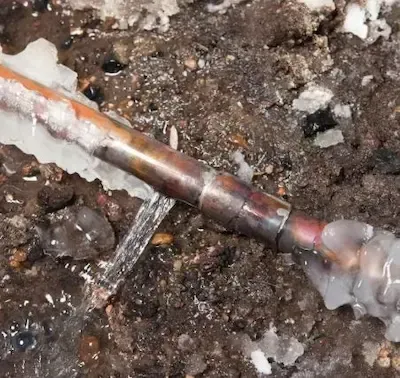
How to Safely Thaw a Frozen Pipe in Bexley OH Homes
When a pipe freezes in your Bexley home, the safest thawing approach involves gentle heat application starting from the faucet end and working toward the blockage. Use a hair dryer, heating pad, or warm towels while keeping the faucet open to allow melting ice to escape. Never use open flames, blowtorches, or high-heat devices that can damage pipes or create fire hazards in your home.
Step 1: Turn Off the Water Supply
Locate your main water shutoff valve, typically found near where the water line enters your Bexley home's basement or crawl space. Turn the valve clockwise to stop water flow completely. This prevents additional water from entering the frozen section and reduces pressure that could cause the pipe to burst when thawing begins. Many Bexley homeowners find their shutoff valves near the front foundation wall or in utility rooms.
Step 2: Open the Affected Faucet
Turn on both hot and cold water taps connected to the frozen pipe to their fully open positions. This allows melting ice to flow out as the thawing process progresses and relieves pressure buildup inside the pipe. Keep these faucets open throughout the entire thawing process. The flowing water movement also helps carry heat through the pipe system more effectively.
Step 3: Locate the Frozen Section
Examine exposed pipes for visible frost, ice buildup, or bulging sections that indicate freezing. Check common problem areas in Bexley homes including exterior walls, unheated basements, crawl spaces, and areas near foundation gaps. Feel along the pipe with your hands - frozen sections will be noticeably colder than surrounding areas. Look for Frozen Pipe Repair warning signs like unusual pipe shapes or visible cracks.
Step 4: Apply Gentle Heat to the Frozen Area
Use safe heating methods starting from the faucet end and working toward the frozen blockage. A hair dryer on medium setting works effectively when held 6-8 inches from the pipe surface. Electric heating pads wrapped around the pipe provide consistent, controlled warmth. Hot towels soaked in warm water can be applied and replaced every few minutes. Never use propane torches, kerosene heaters, or other open flame devices that pose fire risks.
Step 5: Monitor Water Flow and Temperature
Watch for water beginning to trickle from the open faucet, indicating successful thawing progress. Continue applying heat until full water pressure returns to normal levels. Test both hot and cold water flow to ensure complete thawing. The process typically takes 30-60 minutes depending on the length of frozen pipe and ambient temperatures in your Bexley area home.
Step 6: Check for Pipe Damage
Once water flow resumes, inspect the previously frozen area carefully for leaks, cracks, or joint separation. Look for water stains, dampness, or dripping that indicates pipe damage occurred during the freezing process. Even small leaks can cause significant water damage in Bexley homes over time. Feel around pipe joints and connections for moisture or unusual give in the pipe material.
Step 7: Restore Water Supply Gradually
Slowly turn the main water valve counterclockwise to restore water pressure to your home's plumbing system. Open the valve gradually rather than all at once to prevent pressure surges that could damage weakened pipes. Listen for unusual sounds like banging, whistling, or rushing water that might indicate hidden damage elsewhere in the system.
What Heat Sources to Avoid
Never use propane torches, blowtorches, or open flames near pipes as these create fire hazards and can damage pipe materials. Avoid space heaters placed too close to pipes, which pose fire risks and may overheat surrounding materials. Charcoal grills or other combustion heating devices should never be used indoors. High-temperature heat guns can also damage plastic pipes or create excessive pressure buildup.
Warning Signs of Pipe Damage
Visible cracks along the pipe surface indicate ice expansion caused permanent damage requiring immediate replacement. Bulging or distorted pipe shapes suggest internal ice damage that compromised structural integrity. Water stains or dampness around previously frozen areas often signal small leaks that will worsen over time. Reduced water pressure after thawing may indicate partial blockages from ice damage or debris.
When to Call Professional Help
Contact qualified plumbers immediately if you discover any pipe cracks, persistent leaks, or cannot locate the frozen section. Bexley homeowners should seek professional assistance when frozen pipes are inside walls or other inaccessible areas requiring specialized tools. If multiple pipes are frozen simultaneously, this often indicates broader system problems requiring expert diagnosis. Refer to the Bexley frozen pipe emergency primer for additional emergency guidance and professional service information.
Preventing Future Freezing
Insulate exposed pipes in unheated areas of your Bexley home including basements, crawl spaces, and areas near exterior walls. Seal gaps around pipes where they enter your home to prevent cold air infiltration. During extreme cold periods common in central Ohio, allow faucets to drip slightly to maintain water movement through the system. Disconnect and drain outdoor hoses before winter temperatures arrive in the Bexley area.
