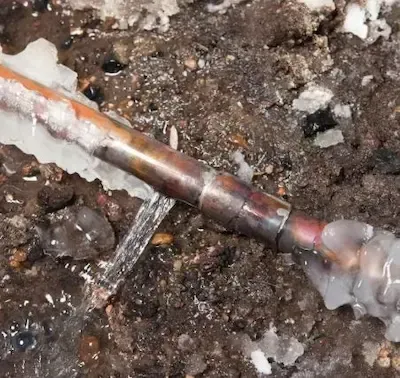
Summer Pipe Insulation Plans for Bexley OH Older Homes
Bexley's older housing stock is one of its most distinctive features — tree-lined streets lined with Cape Cods, brick colonials, and craftsman bungalows that predate modern building codes by decades. That architectural character comes with a practical reality: many of these homes have pipe runs in places that were never engineered with Ohio winters in mind. Crawl spaces that draft, uninsulated rim joist cavities, basement walls with no thermal barrier, and supply lines routed through exterior walls are common findings in homes built before 1970. Summer gives you a rare window to address all of it before the first hard freeze arrives.
Why Bexley's Older Homes Face Higher Freeze Risk
Modern construction standards require pipe insulation in exposed or unconditioned areas, but homes built in the 1920s through the 1960s were designed around different assumptions. Heating was often robust enough — and winters cold enough — that builders relied on ambient heat loss to keep pipes from freezing rather than insulating them directly. That approach worked until you modernize your weatherization. When you seal a drafty crawl space or add attic insulation, you can unintentionally cut off the warm air that was incidentally protecting vulnerable pipe runs.
Bexley sits firmly in USDA Plant Hardiness Zone 6b, which means sustained temperatures in the single digits are not unusual every winter. Pipes in crawl spaces beneath homes along Drexel Avenue or tucked against exterior walls in the older sections near Main Street experience those temperatures directly when wind chill drops and heating systems cycle. The failure point is almost never the pipe in the center of a heated room — it's always the exposed stretch, the elbow near the rim joist, or the supply line that runs two feet too close to an uninsulated exterior wall.
Mapping Your Vulnerable Pipe Runs Before Autumn
The most useful thing you can do in summer is walk your home with a purpose. Start in the basement and follow every supply line toward its end point. Note where pipes pass through the rim joist area — the band of framing that sits atop your foundation wall. In most Bexley homes built before 1960, this zone is uninsulated and open to outside air. Any pipe within twelve inches of that rim joist band is a freeze candidate.
Move to the crawl space if your home has one. Look for pipes that run near exterior walls or hang below the insulation layer. Check under kitchen and bathroom sinks on exterior walls — cabinet doors that stay closed on cold nights block heat from reaching those supply stubs. Note any garage-adjacent walls that have plumbing running through them, since attached garages in older Bexley homes are frequently unheated and poorly air-sealed.
Write down each location. Photograph the exposed runs. This map becomes your work order for a plumber or insulation contractor, and it prevents the guesswork that leads to missed spots and repeat calls.
Insulation Options Worth Understanding
Pipe insulation is not a single product. The right choice depends on pipe diameter, location, and how much physical protection the location demands.
Foam pipe sleeves — Closed-cell foam tubes that slip over copper or PVC runs. Inexpensive and easy to install in accessible areas. Best for basement runs and crawl spaces where pipes won't be disturbed.
Fiberglass pipe wrap — Higher R-value than foam sleeves. More appropriate for longer, exposed runs or pipes in areas with significant cold air infiltration.
Spray foam at penetrations — Used at the rim joist and around pipe penetrations through exterior walls to eliminate the air gap that carries cold to the pipe surface. This is often the single highest-value intervention in an older Bexley home.
Heat cable — Self-regulating cable that wraps around the pipe and draws power when ambient temperature drops. Used for pipes that cannot be adequately insulated due to access constraints. Adds operating cost but is appropriate for certain crawl space or exterior wall situations.
For most older Bexley homes, a combination of foam sleeves on exposed runs plus spray foam at rim joists handles the majority of freeze risk. Heat cable is typically reserved for situations where pipe relocation or insulation access is genuinely impractical.
Scheduling the Work in Summer Makes Practical Sense
Plumbers and insulation contractors in the Columbus metro area — including those serving Bexley directly — have more scheduling flexibility in June, July, and August than at any other time of year. Emergency call volume drops, project backlogs shorten, and you have time to gather multiple quotes without pressure. Waiting until November means competing with everyone who ignored the same advice and is now scrambling before the first freeze warning.
Summer access is also physically easier. Crawl spaces and rim joist areas are more comfortable to work in when outside temperatures are warm. Spray foam adheres and cures better in warmer ambient conditions. If your project requires opening a wall to reroute a pipe that runs too close to an exterior surface, doing that work in summer avoids the complication of heating the space during repairs.
If you want a professional assessment of your specific pipe layout, a Frozen Pipe Repair specialist can identify the runs that carry the most risk before a single dollar is spent on materials.
What Happens When Insulation Gets Skipped
The pattern in Bexley is consistent every January and February. A stretch of nights below ten degrees arrives, and calls for burst pipes cluster in the same types of homes — pre-1960 construction, crawl spaces, or recently weatherized houses where warm air was inadvertently cut off from vulnerable runs. A burst pipe in a finished basement or kitchen wall can cause several thousand dollars in water damage on top of the repair cost itself. Emergency plumbing calls during a freeze event typically carry premium rates and extended wait times because every contractor in central Ohio is working at capacity simultaneously.
Pipe insulation installed in summer costs a fraction of that outcome. For most homes, a thorough insulation project covering basement runs, rim joists, and crawl space lines runs between a few hundred and a couple thousand dollars depending on scope — with no emergency surcharge attached.
For a deeper look at what freeze events look like in practice and how to respond if one happens despite your preparation, read our Bexley frozen pipe overview for a complete reference.
Turning Summer Preparation Into Winter Confidence
Bexley homeowners who take time in the warm months to assess and insulate their pipe runs consistently avoid the crisis calls that define a hard central Ohio winter. The work itself is not complicated — it requires accurate identification of vulnerable locations, appropriate material selection, and either a capable contractor or careful DIY execution in accessible areas. The payoff is a home that handles a February cold snap without incident, and a winter where your biggest plumbing concern is a dripping faucet rather than a flooded basement.
