Why Does My Bexley OH Toilet Keep Running After Each Flush
A running toilet in Bexley, OH almost always comes down to one of three failed parts inside the tank: the flapper, the fill valve, or the float. When the flapper doesn't seal tightly after a flush, water leaks continuously into the bowl and the fill valve never shuts off. A worn fill valve or a float set too high causes the same endless running sound. Most of these fixes cost under $20 in parts and take less than 30 minutes. If adjusting or replacing these components doesn't stop the running, the issue may be with the flush valve seat itself.
What Causes a Toilet to Keep Running After a Flush?
The most common culprit is a faulty flapper. The flapper is the rubber seal at the bottom of your tank that lifts when you flush and drops back down to hold water. Over time, rubber degrades, warps, or collects mineral buildup — especially in homes with older plumbing systems, which are common in Bexley's pre-war neighborhoods. When the flapper fails to seat properly, water silently drains from the tank into the bowl around the clock. Your fill valve then runs continuously to compensate, which is the sound you hear.
How Do I Know If My Flapper Is the Problem?
Put a few drops of food coloring into the tank without flushing. Wait 15 minutes, then look at the bowl. If color appears in the bowl, your flapper is leaking. This test works without any tools and gives you a definitive answer before you buy anything. You can also press lightly on the flapper with your finger while the toilet is running — if the running stops, the flapper isn't seating correctly and needs to be replaced. Flappers are universally available at hardware stores and most fit standard toilets sold throughout central Ohio.
What Is the Fill Valve and Why Does It Matter?
The fill valve controls how water refills the tank after each flush. If it's worn, cracked, or out of adjustment, it may allow water to keep flowing even after the tank is full. You'll often hear a hissing sound that continues well after the flush cycle should have ended. On older toilets — a frequent fixture in Bexley homes built in the 1920s through 1950s — the original ballcock-style fill valve may have degraded to the point where replacement is the only practical solution. Modern fill valves are inexpensive, easy to install, and far more reliable than original equipment.
Could a High Float Setting Be Causing the Running?
Yes. The float tells the fill valve when to stop adding water. If the float is set too high, the water level rises above the overflow tube and drains directly into it — which means your toilet is constantly running water down that tube into the bowl. You'll see this as a constant trickle at the center of the bowl rather than at the edges. Adjusting the float downward — either by bending the float arm on older models or turning an adjustment screw on newer fill valves — drops the water level below the overflow tube and stops the running immediately. The correct water level should sit about one inch below the top of the overflow tube.
Is a Running Toilet Actually Wasting That Much Water?
A constantly running toilet can waste between 20 and 200 gallons of water per day depending on the severity of the leak. Over a month, that adds up to thousands of gallons — a meaningful impact on your utility bill and on local water infrastructure. Bexley residents served by Columbus water utilities will see that reflected in their monthly billing. Fixing a running toilet quickly isn't just about the noise; it's a straightforward way to prevent unnecessary expense. For context, the Bexley pre-war bathroom primer covers how older plumbing configurations in this area can accelerate wear on these components.
Can I Fix a Running Toilet Without Calling a Plumber?
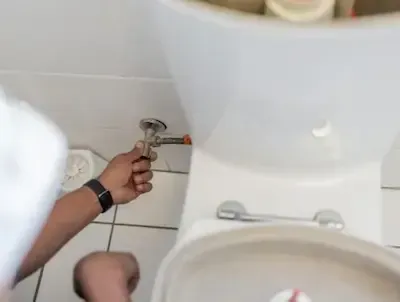
In most cases, yes. Replacing a flapper, adjusting a float, or swapping out a fill valve are all DIY-friendly repairs that require no special tools beyond an adjustable wrench. Turn off the water supply valve behind the toilet, flush to empty the tank, and then work on the component that's failing. Replacement parts are sold at hardware and home improvement stores throughout the Columbus metro area, including locations accessible to Bexley residents. However, if the flush valve seat is cracked or corroded, or if the problem involves the supply line or shut-off valve itself, calling a professional is the smarter move. For persistent issues, Toilet Repair by a licensed plumber is the reliable path forward when parts replacement hasn't resolved the problem.
When Should I Call a Plumber for a Running Toilet in Bexley?
Call a plumber if you've replaced the flapper and fill valve and the toilet is still running. Other red flags include water pooling at the base of the toilet, a cracked tank or bowl, an unresponsive shut-off valve, or visible corrosion on the supply line. Bexley homes with original plumbing from the mid-20th century are more likely to have compounding issues where one worn part reveals another. A licensed plumber can diagnose the full picture quickly and prevent a small repair from becoming a larger water damage situation.
