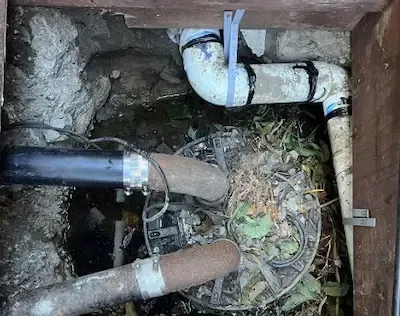
Trenchless Sewer Repair in Bexley's Tree-Lined Streets
Bexley's mature tree canopy creates one of Ohio's most beautiful residential landscapes, but these same majestic oaks and maples present unique challenges for sewer line maintenance and repair. When root systems infiltrate aging clay pipes beneath tree-lined streets like East Main or Cassingham Road, homeowners face a critical decision: preserve their mature trees or access their damaged sewer lines through traditional excavation methods.
Understanding Trenchless Technology in Bexley's Environment
Trenchless sewer repair encompasses several methods that restore pipe function without extensive digging. In Bexley's established neighborhoods, where mature trees have root systems extending 20-30 feet from their trunks, these techniques become essential for protecting both property values and the urban forest that defines the community's character.
Pipe lining represents the most common trenchless approach. This method involves inserting a resin-saturated liner through existing access points, then curing it in place to create a new pipe within the old one. The process requires minimal surface disruption, typically involving only small access holes at strategic points rather than continuous trenching.
Pipe bursting offers another solution for severely damaged lines. This technique uses a specialized tool to fracture the existing pipe while simultaneously pulling a new pipe into position. While more invasive than lining, pipe bursting still requires significantly less excavation than traditional replacement methods.
For Bexley residents dealing with root intrusion, Tree Root Intrusion Repair specialists evaluate each situation to determine which trenchless method provides the most effective long-term solution while preserving the surrounding landscape.
Conditions That Favor Trenchless Solutions
Specific circumstances in Bexley's tree-dense environment make trenchless repair particularly advantageous. Properties with mature trees positioned within 15 feet of sewer lines benefit most from these methods, as traditional excavation would require extensive root cutting that could destabilize or kill valuable specimens.
Clay pipes, common in Bexley's older neighborhoods, respond well to trenchless lining when the structural integrity remains largely intact despite root penetration. These pipes, typically installed between 1920 and 1970, often maintain their basic shape even when compromised by root growth, making them ideal candidates for internal repair methods.
Shallow sewer lines present another favorable condition. Many Bexley properties feature sewer lines running at depths of 4-6 feet, where tree roots concentrate their growth. Trenchless methods can address root damage at these depths without disturbing the critical root zone that extends from the surface to approximately 8 feet down.
Properties with established landscaping, hardscaping, or driveways over the sewer line route benefit significantly from trenchless approaches. The cost of restoring mature landscaping often exceeds the premium paid for trenchless repair, making these methods economically sensible even when initial costs appear higher.
Practical Implementation Considerations
Successful trenchless repair in Bexley requires careful assessment of existing conditions before work begins. Video inspection reveals the extent of root intrusion, pipe damage, and structural issues that influence method selection. This diagnostic step proves particularly important in Bexley, where decades of root growth can create complex damage patterns.
Access point location becomes critical in tree-dense areas. Contractors must identify spots where small excavations won't damage major roots or compromise tree stability. This often means working from street connections or finding clear areas in backyards where equipment can operate without tree interference.
Timing considerations matter significantly in Bexley's seasonal environment. Root cutting associated with any sewer repair should occur during dormant seasons when trees can better withstand stress. Late fall through early spring provides the optimal window for minimizing tree trauma during repair work.
Post-repair root management requires ongoing attention. Even after successful trenchless repair, property owners must implement root barriers or chemical treatments to prevent re-intrusion. Understanding these maintenance requirements helps homeowners make informed decisions about repair methods and long-term property management.
Common Misconceptions About Trenchless Methods
Many Bexley homeowners assume trenchless repair solves all root-related sewer problems permanently. While these methods effectively restore pipe function, they don't address the underlying root growth that caused the original damage. Without proper follow-up treatment, roots will continue growing toward the repaired line and may eventually cause new problems.
Cost misconceptions persist regarding trenchless versus traditional repair. While trenchless methods often carry higher upfront costs, they frequently prove more economical when accounting for landscape restoration, property damage, and tree replacement expenses. For detailed information about root damage patterns and prevention strategies, homeowners can reference our tree root intrusion primer to better understand these long-term cost considerations.
Some property owners believe trenchless repair works in all situations. Severely collapsed pipes, significant grade issues, or pipes with multiple sharp bends may still require traditional excavation methods. Understanding these limitations helps homeowners set realistic expectations about repair options.
The assumption that trenchless repair eliminates all future maintenance needs creates unrealistic expectations. All sewer systems require periodic maintenance, and trenchless repairs may need specific follow-up care to maintain their effectiveness over time.
Local Considerations for Bexley Properties
Bexley's designation as a Tree City USA community influences repair decisions significantly. The community's commitment to urban forest preservation means that methods protecting mature trees align with municipal values and potentially impact property values positively.
Local soil conditions affect trenchless repair success rates. Bexley's clay-heavy soil provides stable conditions for pipe lining but can complicate access point excavation during wet periods. Understanding seasonal soil conditions helps determine optimal timing for repair projects.
Municipal infrastructure considerations play a role in method selection. Bexley's established utility network means that sewer repairs must coordinate with existing water, gas, and electrical systems. Trenchless methods often simplify this coordination by minimizing surface disruption.
Historic district regulations in parts of Bexley may influence repair approaches. Properties in designated historic areas may face additional requirements for minimizing landscape disruption, making trenchless methods more attractive from a compliance standpoint.
Professional Assessment and Method Selection
Qualified contractors evaluate multiple factors before recommending trenchless repair for Bexley properties. Pipe material, age, and condition determine whether internal repair methods will provide lasting solutions. Video inspection technology allows professionals to assess damage patterns and structural integrity accurately.
Root intrusion severity influences method selection significantly. Light to moderate root penetration often responds well to cleaning followed by lining, while severe intrusion may require pipe bursting or traditional replacement. Understanding these distinctions helps homeowners participate meaningfully in repair decisions.
Site accessibility affects both method selection and project costs. Properties with limited access for equipment may require specialized approaches or alternative repair strategies. Professional assessment identifies these constraints early in the planning process.
Long-term maintenance requirements vary by repair method and site conditions. Contractors should provide clear guidance about ongoing care needs, including root management strategies and inspection schedules that protect the investment in trenchless repair.
When Traditional Excavation Remains Necessary
Despite the advantages of trenchless methods in Bexley's tree-rich environment, certain conditions still require traditional excavation approaches. Completely collapsed pipes cannot support internal repair methods and need full replacement through excavation.
Severe grade problems that affect drainage require excavation to reestablish proper slope. Trenchless methods work within existing pipe alignment and cannot correct significant grade issues that compromise system function.
Multiple connection points or complex pipe configurations may necessitate excavation for proper access and repair. While trenchless methods excel for straight runs of pipe, complicated layouts often require traditional approaches for comprehensive repair.
Budget constraints sometimes make excavation the only viable option despite tree preservation concerns. When trenchless costs exceed available resources, homeowners may need to accept tree damage risks associated with traditional repair methods while planning for eventual landscape restoration.
